Trump to Remove Syria from US State Sponsor of Terrorism List
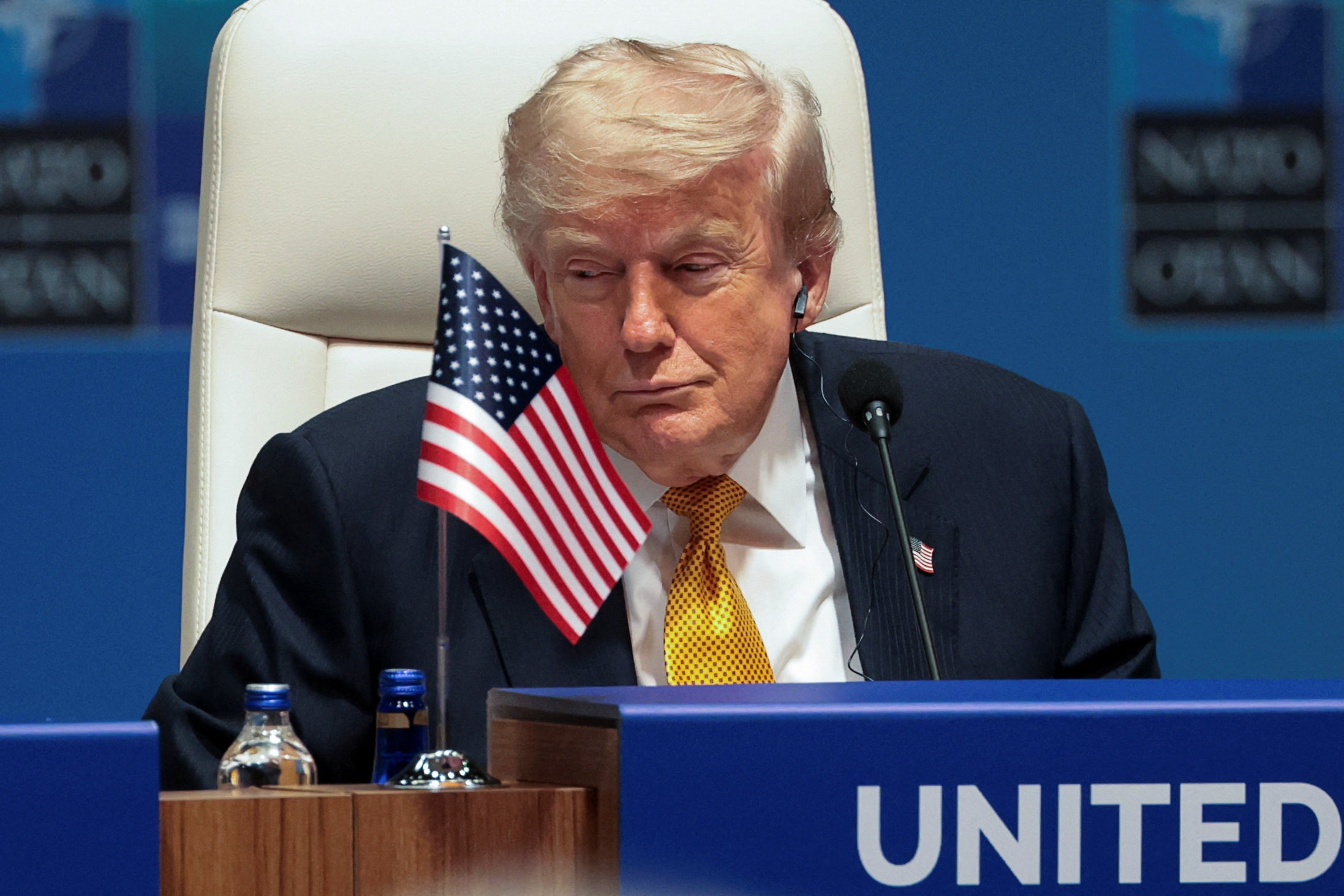
U.S. President Donald Trump has decided to remove Syria from the American list of State Sponsors of Terrorism, according to a letter sent to Syrian President Ahmed al-Sharaa. Trump stated in the letter, which was viewed by Reuters, that he promised to remove all barriers hindering Syria's reconstruction and that American companies are ready to invest in the country. The decision was conveyed to al-Sharaa after a meeting between the two leaders in Ankara, Turkey, on July 8, 2026. Trump has notified Congress, which will now conduct a 45-day review period before the decision becomes effective. Being designated as a state sponsor of terrorism imposes restrictions on U.S. foreign assistance, defense exports, and certain financial transactions. Last year, Trump signed an executive order ending a U.S. sanctions program against Syria, facilitating the country's reintegration into the international financial system. Saudi Arabian companies are planning multi-billion dollar investments to aid Syria's recovery, with other Gulf nations also pledging financial assistance. Trump praised al-Sharaa, who previously led the Nusra Front, an Al-Qaeda affiliate, before breaking ties in 2016 and subsequently leading a rebel coalition that overthrew the Bashar al-Assad government in late 2024. Trump also commended al-Sharaa's actions against the Islamic State group, calling him "respected by all, including myself."
This decision represents a significant geopolitical shift, potentially recalibrating U.S. foreign policy towards Syria and its regional allies. By removing Syria from the terrorism sponsor list and encouraging investment, the U.S. appears to be prioritizing stabilization and economic recovery, possibly as a means to counter Iranian influence or to facilitate the withdrawal of U.S. forces. The move, however, raises questions about the vetting process for Syrian leadership, particularly given President al-Sharaa's past affiliations. Future U.S. policy may need to balance economic engagement with ongoing security concerns and human rights considerations, navigating complex incentive structures involving regional powers and non-state actors. The long-term implications for regional stability and the future governance of Syria will depend on the effectiveness of these new economic and diplomatic frameworks.
AI-generated to prompt reflection — not editorial opinion, not advice, not a statement of fact. How this works.