Trump Unconcerned by Unpopularity and Cost of Iran Conflict
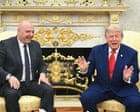
Despite mounting casualties and significant financial costs associated with the conflict in Iran, President Donald Trump has indicated that these factors will not affect him personally. This stance emerges as Republicans in Congress face increasing anxiety about the upcoming midterm elections, with a deeply unpopular president and a war that is becoming increasingly unpopular among the electorate. Even Trump's core supporters are reportedly beginning to express dissent regarding the ongoing conflict. The situation highlights a potential disconnect between the president's personal detachment from the consequences of the war and the growing concerns of his party and the public.
The stated indifference of President Trump to the human and financial costs of the Iran conflict, particularly in the context of upcoming elections, suggests a strategic prioritization of factors beyond immediate public or party sentiment. This approach may reflect a calculated assessment of his political base's priorities or a belief in the long-term strategic necessity of the conflict, irrespective of short-term electoral headwinds. The analysis of such a stance requires examining the incentive structures driving presidential decision-making, where perceived national security imperatives or geopolitical objectives might be weighted more heavily than domestic political considerations. Future administrations will likely grapple with the legacy of such decisions, particularly concerning the sustainability of prolonged military engagements and their impact on both international relations and domestic political capital.
AI-generated to prompt reflection — not editorial opinion, not advice, not a statement of fact. How this works.