Trump Urges Defense Firms to Boost Arms Production Amidst Global Conflicts
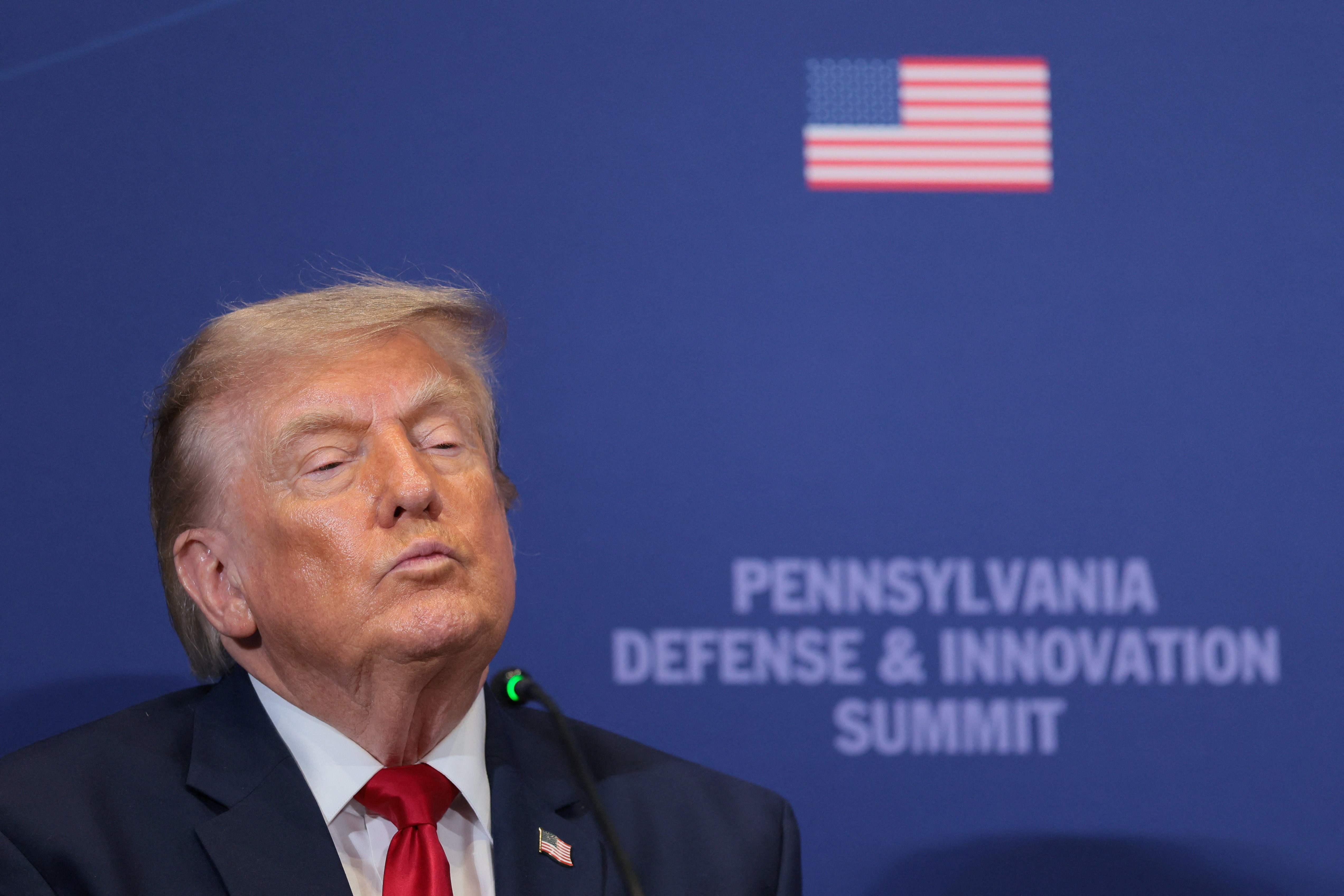
U.S. President Donald Trump has urged top defense industry executives to accelerate weapons production and expand manufacturing capacity. Speaking at the Pennsylvania Defense and Innovation Summit on July 15, 2026, Trump emphasized the need for greater agility from manufacturers, stating, "We have the best quality in the world, but we need a little more agility." This call comes as ongoing wars in Ukraine and the Middle East are depleting U.S. stockpiles and revealing bottlenecks in the nation's industrial base. The prolonged conflicts have consumed significant quantities of missiles, interceptors, and other weaponry, highlighting the limitations of the U.S. military's supply chain and production capabilities. The event, held at the U.S. Army War College in Carlisle, Pennsylvania, convened military leaders, defense contractors, investors, and tech executives to discuss strengthening the U.S. industrial base and speeding up the delivery of advanced weapons systems. Trump views the expansion of the defense industry as a key component of a broader economic strategy to revitalize U.S. industrial capacity, with the Pentagon increasingly serving as a catalyst for investment in factories, advanced manufacturing, and domestic supply chains. In a related move, the Department of Defense launched the National Security Financing Fund on Wednesday, aiming to provide financial support and credit to companies addressing critical mineral supply gaps essential for national security. This follows a June meeting where Trump also pressed ammunition manufacturers to increase their output.
The imperative for increased arms production, driven by sustained global conflicts, underscores a critical juncture for the U.S. defense industrial base. This situation highlights the tension between immediate geopolitical demands and the long-term strategic need for resilient, agile manufacturing capabilities. The administration's focus on revitalizing industrial capacity through defense spending and financial incentives suggests a recognition of systemic vulnerabilities in supply chains for critical materials and advanced weaponry. Looking ahead, the challenge lies in balancing urgent production needs with investments in innovation and diversification to ensure future readiness, while also navigating the economic implications of a potentially prolonged period of elevated defense spending. This dynamic raises questions about sustainable industrial policy and the capacity of the U.S. to meet both current and future global security requirements.
AI-generated to prompt reflection — not editorial opinion, not advice, not a statement of fact. How this works.