Trump: US Agrees to Iran Talks but Ceasefire is Over Amid Gulf Tensions
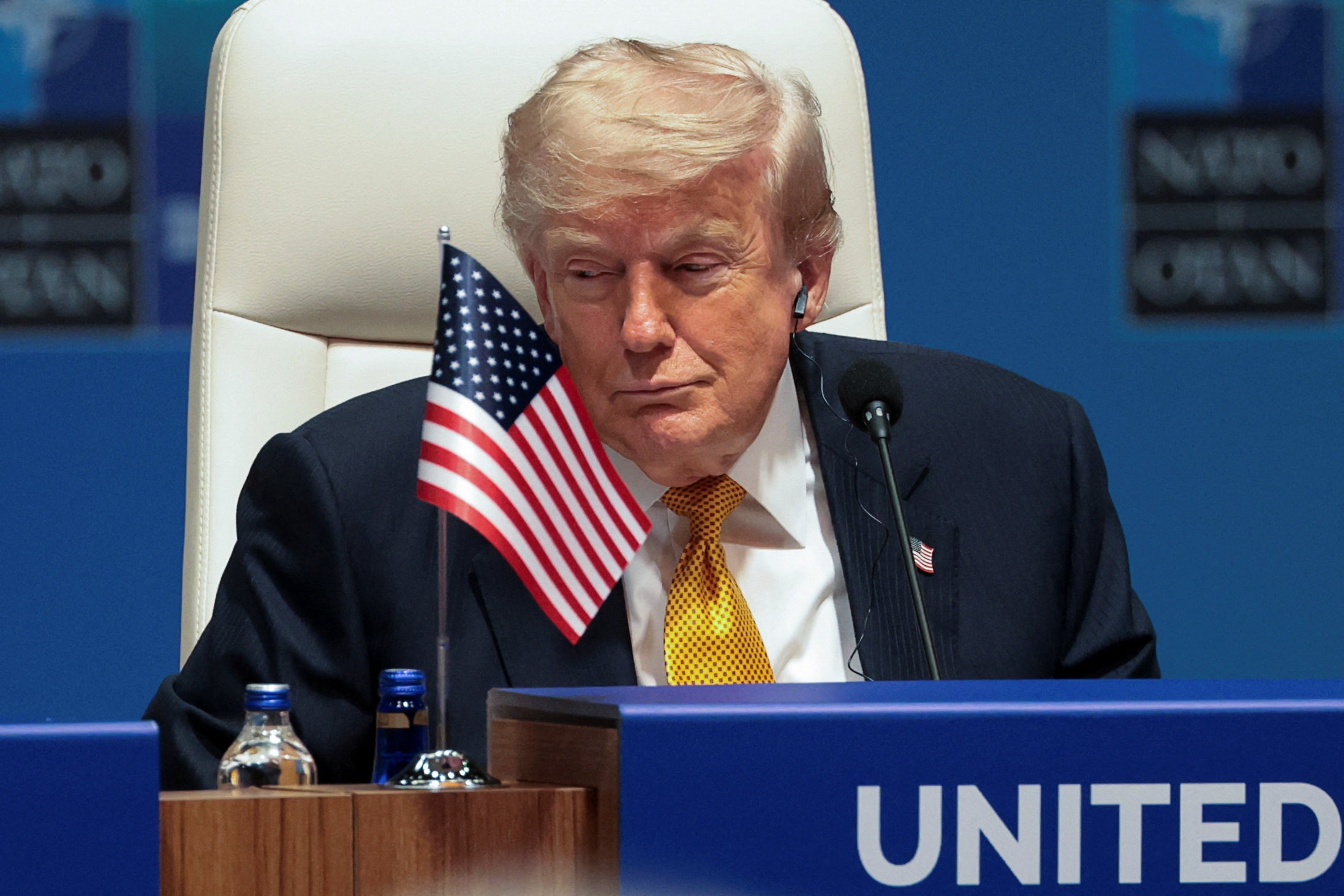
U.S. President Donald Trump announced on Friday, January 10th, that the United States has agreed to continue negotiations with Iran following a request from Tehran. However, Trump explicitly stated that the "ceasefire" between the two nations has concluded. This development follows a week of escalating tensions in the Persian Gulf, which included attacks on three commercial tankers from Qatar and Saudi Arabia. In response to these attacks, the U.S. conducted airstrikes on Iranian targets. Iran retaliated on Thursday, June 9th, by targeting American military installations in neighboring Gulf countries. Trump communicated this shift in stance via a written statement, emphasizing that while the U.S. will engage in talks, the previous period of de-escalation is no longer in effect. Negotiators from Qatar met with Iranian officials on Friday in an effort to reduce tensions following the exchange of attacks. These discussions are also expected to address maritime traffic through the Strait of Hormuz, a crucial waterway for global oil transport. The recent sequence of attacks has heightened concerns about the stability of global oil supplies and maritime shipping, revealing the precariousness of the prior temporary truce. According to sources familiar with the matter, the negotiations aim to implement a memorandum of understanding between the U.S. and Iran and to resolve issues that triggered the recent escalation, including disputes over navigation in the Strait of Hormuz. An Iranian news agency reported that a Qatari delegation visited Iran, an initiative analysts suggest aims to bolster Qatar's role as a mediator.
The exchange between the U.S. and Iran highlights the complex dynamics of international diplomacy, particularly in volatile regions like the Persian Gulf. President Trump's announcement indicates a strategic recalibration, agreeing to negotiations while simultaneously signaling a hardening of the U.S. position by ending the 'ceasefire.' This approach may be intended to exert leverage, balancing diplomatic engagement with a demonstration of resolve. The involvement of Qatar as a mediator underscores the regional actors' efforts to de-escalate conflict and maintain stability, especially given the critical importance of the Strait of Hormuz to global energy markets. The situation reflects the inherent tension between maintaining open channels for dialogue and employing coercive measures to achieve foreign policy objectives, a persistent challenge in managing relations between adversarial states.
AI-generated to prompt reflection — not editorial opinion, not advice, not a statement of fact. How this works.