Trump: US Does Not Seek Long-Term Conflict with Iran
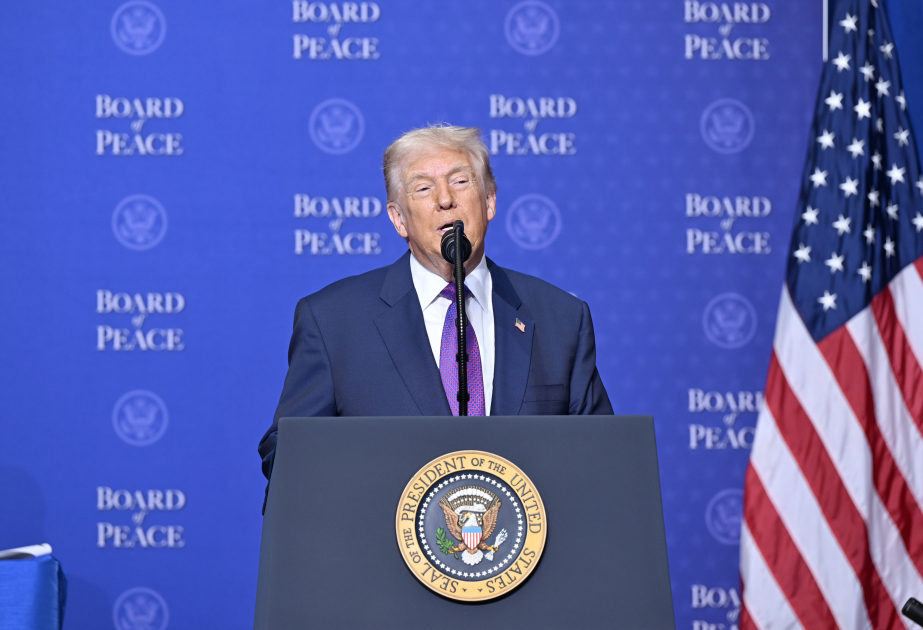
President Donald Trump stated that the United States does not desire a prolonged conflict with Iran. This statement comes amidst ongoing tensions between the two nations. The specific context or trigger for this remark was not detailed in the provided text. However, the sentiment suggests a preference for de-escalation or a resolution that avoids protracted military engagement. The administration's policy towards Iran has been characterized by significant pressure, including sanctions, following the US withdrawal from the Joint Comprehensive Plan of Action (JCPOA) in 2018. Despite this pressure, Trump's current statement indicates a potential openness to avoiding a full-blown, long-term confrontation. Further details regarding the administration's strategic objectives and diplomatic approaches remain to be seen.
The statement reflects a strategic calculation by the US administration regarding the potential costs and benefits of sustained conflict with Iran. While maintaining pressure through sanctions and other measures, the explicit desire to avoid a 'long-term conflict' suggests an awareness of the economic and geopolitical risks associated with protracted military engagement in the Middle East. This approach may be influenced by domestic political considerations, the desire to focus resources on other priorities, or an assessment of the limited effectiveness of prolonged military interventions. The administration's policy appears to navigate a complex balance between asserting influence and managing escalation, a dynamic that will continue to shape regional stability and international relations in the coming years.
AI-generated to prompt reflection — not editorial opinion, not advice, not a statement of fact. How this works.