Trump Vows Compensation for Strait of Hormuz Damage Using Seized Iranian Assets, Tehran Protests
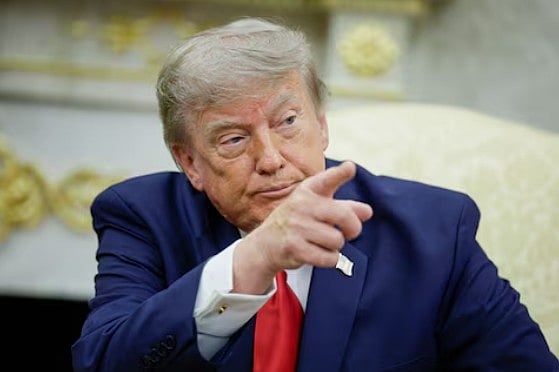
U.S. President Donald Trump has pledged to compensate for any damages to ships transiting the Strait of Hormuz, stating that funds seized from Iran would be used for this purpose. Tehran has strongly condemned this announcement, escalating tensions that have risen significantly since early July with retaliatory attacks between the two nations. Trump declared on his social media platform, Truth Social, that compensation for damages in the Strait of Hormuz would be drawn from Iranian funds under U.S. control. He acknowledged the potential for substantial damages but deemed this approach the fairest. Iran's Foreign Minister, Abbas Araghchi, sharply criticized Trump's statement, calling the seizure of one country's assets to cover future damages a dangerous precedent. Araghchi warned that normalizing such seizures by governments could jeopardize the security of all nations' assets, leading to widespread chaos. This is not the first time Iran's assets have been frozen; the U.S. and other countries have held substantial Iranian assets for decades, with estimates of their value potentially reaching $100 billion. The issue of seized Iranian assets was a key point in discussions between Tehran and Washington, even being mentioned in a memorandum of understanding signed in June to pave the way for an end to hostilities, though that agreement later collapsed. Following Trump's warning, Iran reportedly targeted U.S. military bases in the Middle East. A Reuters review indicated that only one oil tanker transited the Strait of Hormuz on Thursday, the lowest daily number since May 7th.
The U.S. President's declaration to utilize frozen Iranian assets for compensation related to maritime incidents in the Strait of Hormuz introduces a novel financial leverage mechanism into geopolitical disputes. This strategy, while potentially deterring future aggression by imposing direct financial consequences, risks establishing a precedent for asset seizure that could destabilize international financial norms and increase systemic risk for global capital flows. The move highlights the complex interplay between national security objectives, international law, and the economic instruments available to state actors in managing conflict. Future decades may see increased reliance on such financial sanctions and counter-sanctions, necessitating robust international frameworks to manage disputes and prevent unintended economic fragmentation.
AI-generated to prompt reflection — not editorial opinion, not advice, not a statement of fact. How this works.