Trump Vows Iranian Funds to Cover Ship Damage Amid Strait of Hormuz Tensions
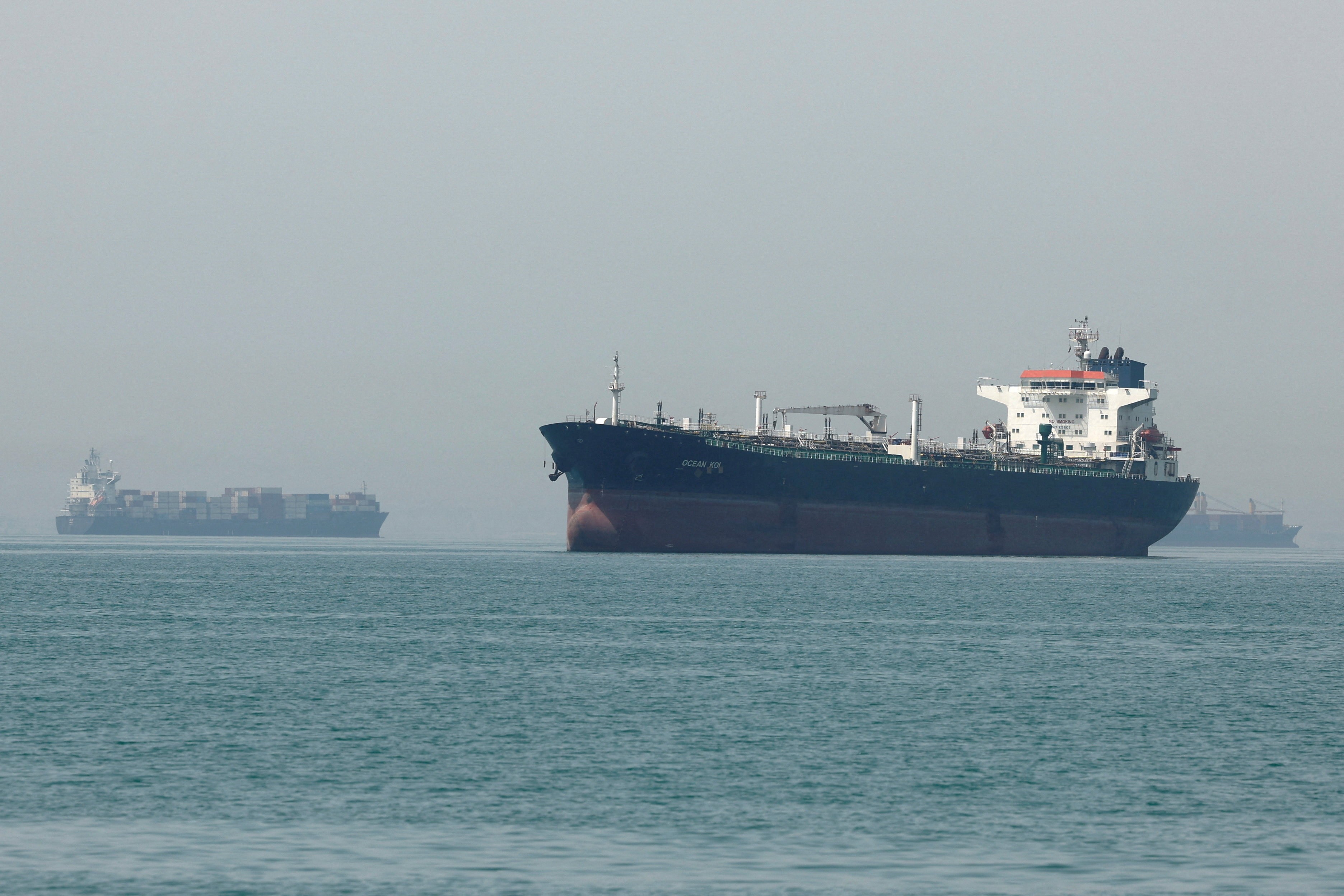
President Donald Trump announced on Thursday, May 23, that any damage to ships, cargo, or related assets would be compensated using Iranian resources currently held by the U.S. government. This statement, posted on Truth Social, follows Trump's earlier threat to bomb Iranian infrastructure if any vessels were attacked in the Strait of Hormuz. Trump stated that while the damages could be substantial, this would be a "fair and equitable measure." The announcement did not specify which Iranian assets would be utilized or the legal framework for such payments.
Earlier on Wednesday, May 22, Trump had declared that the U.S. would destroy Iranian infrastructure, such as bridges or power plants, in retaliation for any Iranian attacks on ships in the Strait of Hormuz. In response, Iran's Revolutionary Guard threatened to cut off energy supplies to U.S. allies in the Middle East and disrupt oil flow in the Persian Gulf if U.S. power plants were bombed. Also on Wednesday, the Iran-backed Houthi group in Yemen claimed responsibility for attacking two Saudi oil tankers in the Red Sea, alleging they violated a rebel naval blockade. Saudi Arabia confirmed an attack on one tanker, though the UK Maritime Trade Operations did not officially attribute the incident.
The escalating rhetoric between the U.S. and Iran, particularly concerning maritime transit in the Strait of Hormuz, highlights the complex geopolitical incentives driving regional instability. President Trump's pronouncements regarding the seizure of Iranian assets to cover potential damages reflect a strategy of economic leverage, aiming to deter Iranian aggression. However, such actions risk further entrenching adversarial dynamics and could trigger retaliatory measures, potentially impacting global energy markets. The interplay between state-sponsored actions, proxy group activities, and international maritime security frameworks underscores the challenges in managing conflict escalation in a strategically vital waterway. Future developments will likely depend on the perceived costs and benefits of continued confrontation versus diplomatic de-escalation, with broader implications for regional stability and international trade.
AI-generated to prompt reflection — not editorial opinion, not advice, not a statement of fact. How this works.