Trump Vows "Much Force" Against Iran After Missile Attacks
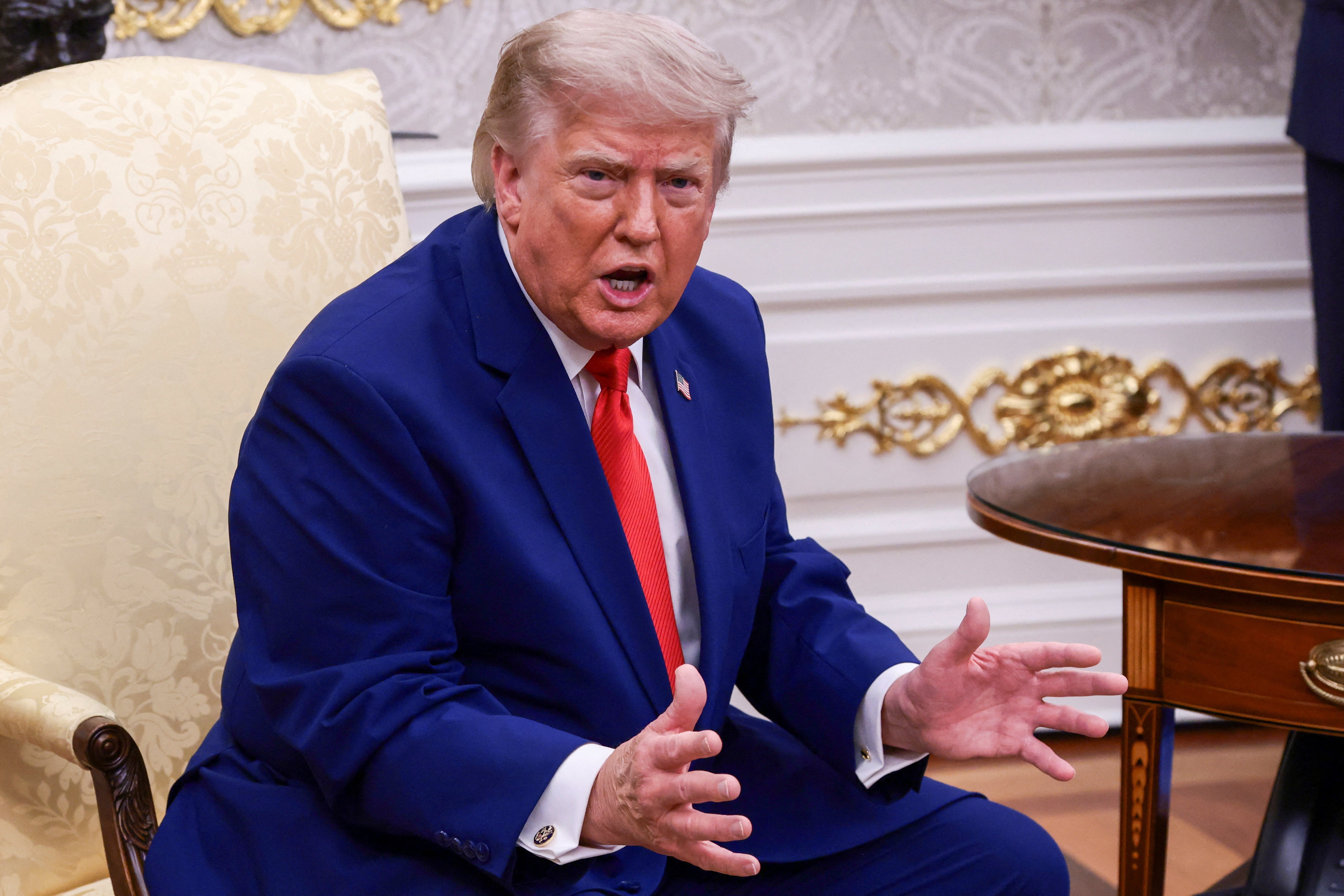
U.S. President Donald Trump declared on Wednesday, April 29th, that the United States would retaliate against Iran with "much force" following a surprise missile attack on American military positions in Jordan. "It's our turn now," Trump stated to reporters at the White House, adding that Washington would "hit them with much force." He reported that Iran launched five ballistic missiles, all of which were intercepted by the Patriot system. Trump also mentioned being informed of a drone attack on tankers off the coast of Egypt, though he did not specify the U.S. response. The Energos Winter, a U.S.-owned liquefied natural gas (LNG) tanker, was reportedly struck by a drone in Damietta, Egypt. This incident follows a period of relative calm in the Middle East, with Iran's Revolutionary Guard launching ballistic missiles at U.S. bases. In response, the U.S. and Saudi Arabia conducted joint strikes against Iran-backed militants in Iraq, resulting in casualties. A previous pause in daily exchanges of attacks in July was reportedly due to concerns within the Trump administration about low stockpiles of Patriot missile interceptors. The "New York Times" cited Pentagon inventory data showing a decrease in Patriot interceptors and other anti-aircraft defense systems. An earlier attack on an Iraqi base on April 18th killed three U.S. soldiers and injured others, with reports suggesting the American antimissile system failed, leaving soldiers vulnerable. Commander Brad Cooper, overseeing U.S. military operations in the Middle East, had reportedly advised a pause in attacks on Iran to conserve missile stocks, a claim Trump denied.
The exchange between the U.S. and Iran, involving missile and drone attacks, highlights the persistent geopolitical tensions in the Middle East and the complex interplay of deterrence and escalation. President Trump's strong rhetoric signals a commitment to projecting American power and deterring further aggression, but the underlying strategic challenge lies in balancing forceful responses with the risk of wider conflict and resource management, such as missile stockpiles. The reported vulnerabilities in U.S. defense systems and the strategic considerations around missile inventory underscore the logistical and operational complexities inherent in maintaining military readiness. Future policy will likely grapple with the imperative to respond decisively while also investing in resilient defense capabilities and exploring diplomatic avenues to de-escalate regional instability.
AI-generated to prompt reflection — not editorial opinion, not advice, not a statement of fact. How this works.