Trump Vows US Blockade of Iranian Ports, 20% Tariff on Strait of Hormuz Cargo
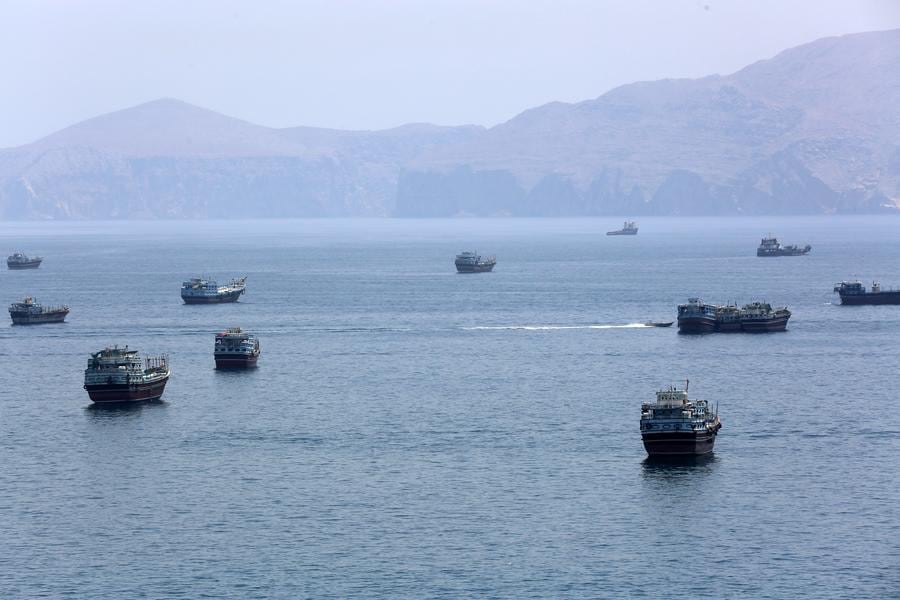
Former U.S. President Donald Trump announced on his social media platform, Truth Social, that the United States will reinstate a "blockade" on Iranian ports, which he termed the "IRANIAN BLOCKADE." This measure, according to Trump, will only restrict Iranian ships and clients, while asserting that all other nations will maintain free and fair access to the Strait of Hormuz. He further declared the U.S. would become "THE GUARDIAN OF THE STRAIT OF HORMUZ" and, for fairness, would impose a 20% tariff on all cargo transiting the strait to cover security costs in the volatile region. Trump stated that the process and training for this initiative would commence immediately. This declaration follows a period of renewed hostilities between the U.S. and Iran. Reports from the BBC indicated a large fire at a hangar in Aghajari, southwestern Iran, potentially resulting from overnight U.S. strikes. In response, a spokesperson for Iran's Islamic Revolutionary Guard Corps, via the Tasnim news agency, accused the U.S. of severely endangering global oil and gas security through its interference in the Strait of Hormuz. The Iranian statement affirmed Iran's continued control over the strait and vowed to compel foreign powers to submit to the will of the Iranian people, predicting further humiliation for the U.S. Oil prices saw an initial increase at the start of the trading day following these reciprocal attacks, though they remained below previous conflict peaks.
The announcement by former President Trump regarding a U.S. blockade and tariff on the Strait of Hormuz, framed as a security measure and a means of reimbursement, introduces significant geopolitical and economic uncertainty. This proposed action, if implemented, could disrupt global energy markets and international trade routes, potentially triggering retaliatory measures from Iran and other regional actors. The economic rationale of charging a tariff for security services, while presented as equitable, may face challenges in international legal frameworks and could be perceived as an act of economic coercion. Such a move would necessitate careful consideration of its long-term impact on diplomatic relations, global supply chains, and the broader stability of the Middle East, particularly in the context of escalating regional tensions and the ongoing energy transition.
AI-generated to prompt reflection — not editorial opinion, not advice, not a statement of fact. How this works.