Trump Warns Europe: Reduce Defense Spending Gap or Face Reduced US Security Commitment
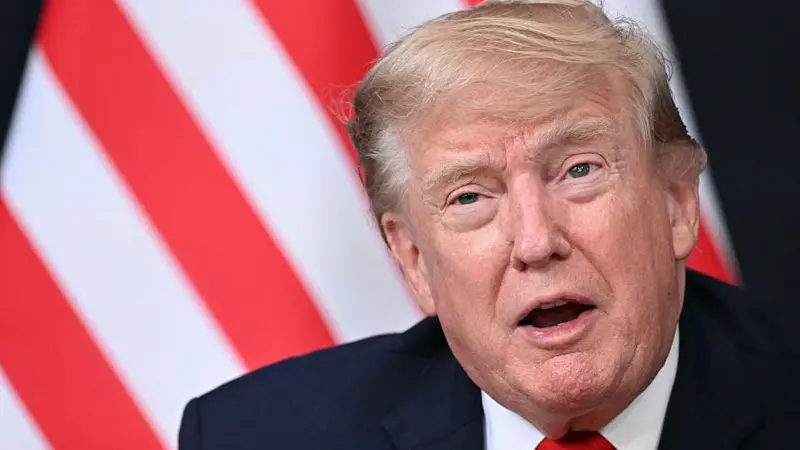
US President Donald Trump has expressed strong dissatisfaction with his European NATO allies, citing their lack of support in a potential US-Iran conflict and significant disparities in defense spending. Trump described the current contribution of European nations to the alliance as "ridiculous" and the relationship as one-sided. He warned that if European countries do not increase their defense spending commitments, the United States may reduce its security commitments to them. The president's remarks highlight a long-standing tension within NATO regarding burden-sharing and the level of financial investment each member state makes towards collective security. This issue has been a recurring theme in Trump's foreign policy approach, emphasizing a transactional view of international alliances. The upcoming NATO summit in Ankara on July 7-8 is expected to be a focal point for these discussions, where Trump is likely to press his allies further on these matters. The underlying concern for the US appears to be the perceived imbalance in resources and responsibilities within the alliance, potentially impacting the effectiveness and sustainability of NATO's collective defense posture.
President Trump's statements reflect a transactional approach to international alliances, prioritizing perceived financial contributions over traditional security guarantees. This stance challenges the foundational principle of collective defense within NATO, which is based on mutual security interests rather than direct financial quid pro quo. The divergence in defense spending among member states is a complex issue, influenced by varying national security priorities, economic capacities, and historical commitments. Trump's ultimatum, while aiming to increase burden-sharing, risks undermining alliance cohesion and potentially creating security vacuums if European nations fail to meet US demands. The long-term implication could be a reevaluation of global security architectures, with potential shifts in strategic partnerships and a greater emphasis on regional defense initiatives, driven by the evolving geopolitical landscape and technological advancements.
AI-generated to prompt reflection — not editorial opinion, not advice, not a statement of fact. How this works.