Trump Warns Iran of Attacks on Infrastructure if Talks Don't Resume
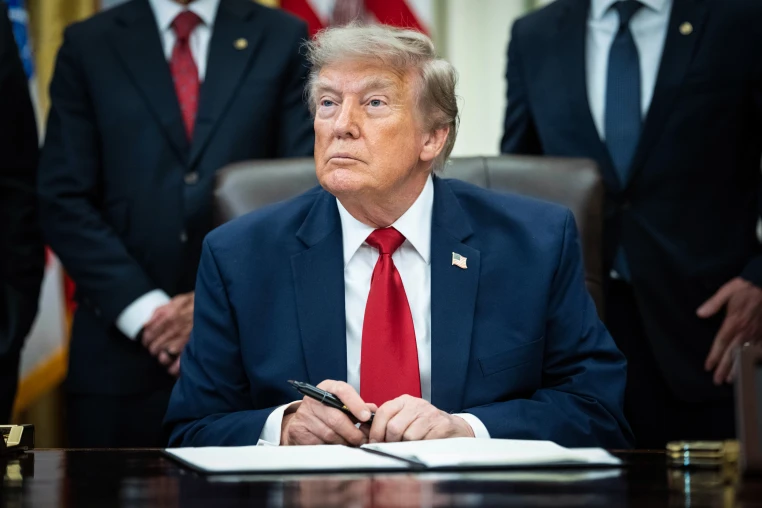
U.S. President Donald Trump has issued a stark warning to Iran, threatening to target the country's bridges and power plants if it does not re-engage in negotiations. These remarks were made during an interview with Fox News, broadcast as tensions escalated with the fourth consecutive day of exchanges between the two nations. This latest threat comes after President Trump had previously rescinded a proposed 20% fee. The situation highlights a continued pattern of escalating rhetoric and potential military action between the United States and Iran, particularly concerning Iran's nuclear program and regional influence. The administration's approach appears to involve a combination of economic pressure and the threat of force to compel diplomatic engagement. The specific targets mentioned—bridges and power plants—suggest a strategy aimed at inflicting significant economic and societal disruption without necessarily causing mass casualties, though the potential for collateral damage remains a concern.
This situation reflects a high-stakes diplomatic gambit where the threat of military action is employed as leverage to initiate or resume negotiations. The targeting of critical infrastructure like bridges and power plants signals a strategy intended to exert maximum economic and societal pressure on Iran, potentially aiming to disrupt its ability to function while avoiding direct confrontation that could lead to widespread conflict. Such tactics, while potentially effective in forcing a party to the negotiating table, carry significant risks, including unintended escalation, humanitarian consequences, and damage to international relations. The long-term implications of using such threats as a primary diplomatic tool in the context of geopolitical rivalries, especially in the volatile Middle East, warrant careful consideration regarding the sustainability of peace and stability in the region.
AI-generated to prompt reflection — not editorial opinion, not advice, not a statement of fact. How this works.