Trump warns Iran of 'decapitation' if no deal reached
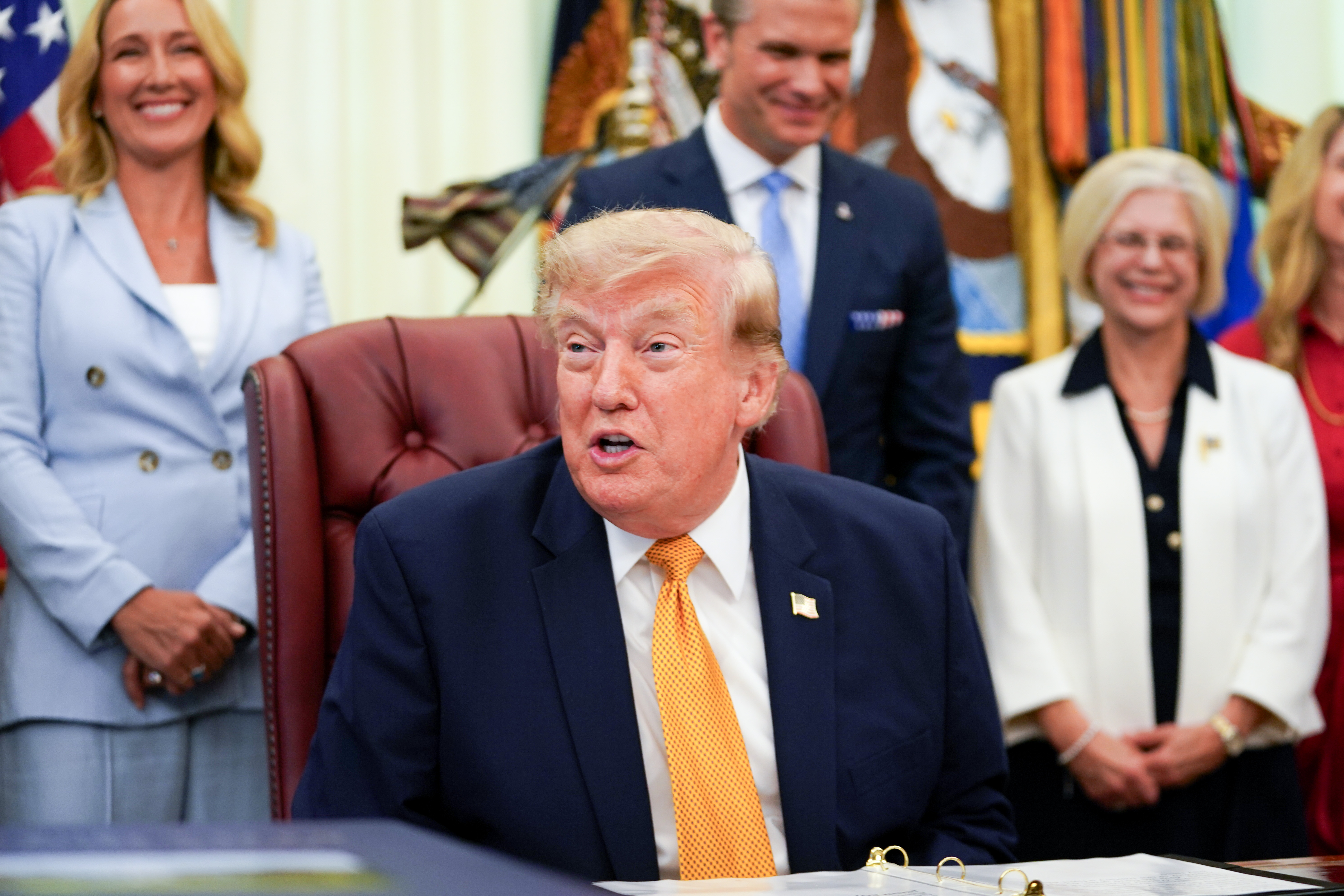
U.S. President Donald Trump issued a stark warning to Iran on Monday, stating that the nation faced "decapitation" if it failed to agree to a pact aimed at resolving the ongoing conflict between the two countries. Trump indicated that Tehran had a final opportunity to negotiate and finalize such an agreement. The statement was made in Washington and reported by Reuters. The president's remarks suggest a high-stakes diplomatic situation, with significant consequences implied for Iran should negotiations falter. The specific nature of the "decapitation" threat was not elaborated upon in the initial report, leaving its interpretation open to various political and military readings. This declaration comes amid a period of heightened tensions between the United States and Iran, characterized by a complex geopolitical landscape.
President Trump's "decapitation" rhetoric represents a significant escalation in U.S. diplomatic signaling towards Iran. Such strong language, while potentially intended to pressure Tehran into concessions, risks misinterpretation and could inadvertently provoke unintended escalatory responses. From a strategic perspective, the effectiveness of coercive diplomacy hinges on clear communication of credible threats and incentives, balanced against the potential for unintended consequences. The long-term implications of this approach, particularly in the context of regional stability and the evolving global power dynamics of the next decade, warrant careful consideration. The administration's strategy appears to prioritize immediate leverage over sustained, multilateral engagement, a dynamic that may face challenges in achieving lasting de-escalation or fostering a stable geopolitical environment.
AI-generated to prompt reflection — not editorial opinion, not advice, not a statement of fact. How this works.
