Trump Warns Media: "When I'm Gone, You'll All Be Bankrupt"
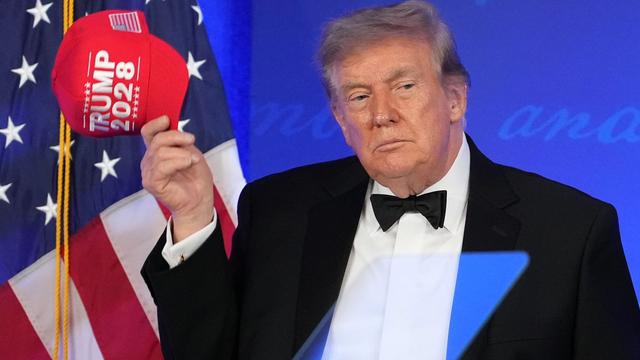
Former U.S. President Donald Trump has issued a stark warning to the media, asserting that their financial viability is directly tied to his public presence. Trump stated, "When I'm gone, you'll all be bankrupt." This comment suggests that the media outlets, particularly those covering politics, rely heavily on him for content and audience engagement. His remarks imply that without his continued involvement in public discourse and political events, the media's ability to attract viewers and generate revenue would significantly diminish.
The statement underscores a perceived symbiotic, yet contentious, relationship between Trump and a segment of the media landscape. While Trump has often been a vocal critic of many news organizations, labeling them as "fake news" or "enemies of the people," his own public activities and statements have frequently dominated headlines. This dynamic raises questions about the media's editorial independence and the extent to which sensationalism or the pursuit of ratings might influence coverage.
Donald Trump's assertion that media outlets will become bankrupt without him highlights a complex interplay between political figures and news organizations. This dynamic often centers on audience engagement and advertising revenue, where prominent personalities can drive viewership. The statement suggests a potential incentive structure where the media might prioritize coverage of attention-grabbing figures, even if critical, to maintain financial stability. This raises systemic questions about journalistic independence and the economic models that shape news production in the digital age. In the coming decade, as media consumption continues to evolve, understanding these dependencies will be crucial for assessing the health and objectivity of the information ecosystem.
AI-generated to prompt reflection — not editorial opinion, not advice, not a statement of fact. How this works.