Trump Warns of More Strikes on Iran Amid Rising Middle East Tensions
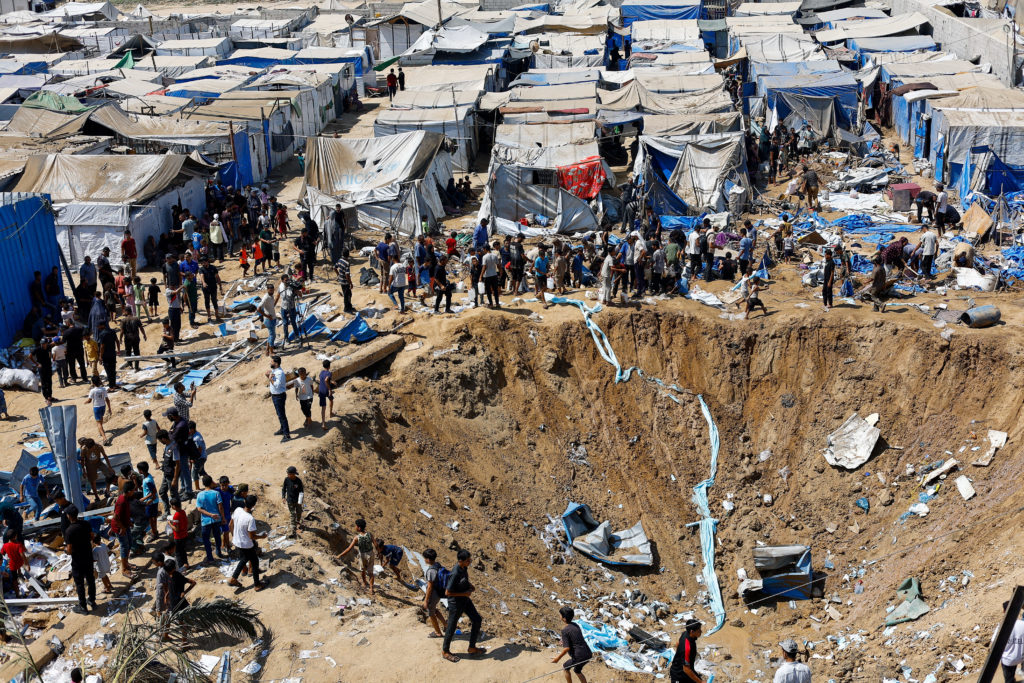
President Donald Trump has issued a stern warning, indicating that the United States is prepared to launch further strikes against Iran. This threat comes as tensions escalate across the Middle East, with specific concerns raised about the Strait of Hormuz, Kuwait, and Gaza. The situation remains highly volatile, prompting increased international vigilance and warnings from various parties. The exact nature or timing of potential further military actions has not been specified, but the rhetoric signals a significant escalation in the ongoing confrontation between the US and Iran. Regional stability is increasingly fragile, with implications for global energy markets and international relations. The heightened alert status reflects the complex geopolitical landscape and the potential for wider conflict. The international community is closely monitoring developments, urging de-escalation and diplomatic solutions to prevent further bloodshed.
Saturday's developments underscore the precariousness of the current situation, with multiple flashpoints demanding attention. The involvement of various actors and the interconnectedness of regional conflicts present a significant challenge to diplomatic efforts. The strategic importance of areas like the Strait of Hormuz, a critical chokepoint for global oil trade, amplifies the potential impact of any military engagement. The broader implications for peace and security in the Middle East and beyond are substantial, necessitating careful consideration of all available diplomatic and economic tools to manage the crisis.
The escalating rhetoric between the United States and Iran, particularly President Trump's threats of further strikes, highlights the persistent geopolitical friction in the Middle East. This situation is shaped by complex incentive structures, including national security concerns, regional power dynamics, and domestic political considerations for all involved parties. The potential for military action in critical maritime chokepoints like the Strait of Hormuz introduces significant risks to global energy supply chains and economic stability. Future developments will likely depend on the interplay between deterrence, de-escalation efforts, and the effectiveness of international diplomatic channels. The long-term implications, viewed through the lens of the next decade, suggest a continued need for robust, multi-faceted strategies that address both immediate security threats and the underlying causes of regional instability, while navigating the evolving global energy landscape and the increasing influence of non-state actors.
AI-generated to prompt reflection — not editorial opinion, not advice, not a statement of fact. How this works.