Tuchel's Tactical Choice: Did England's Defensive Stance Cost Them the 2026 World Cup Final?
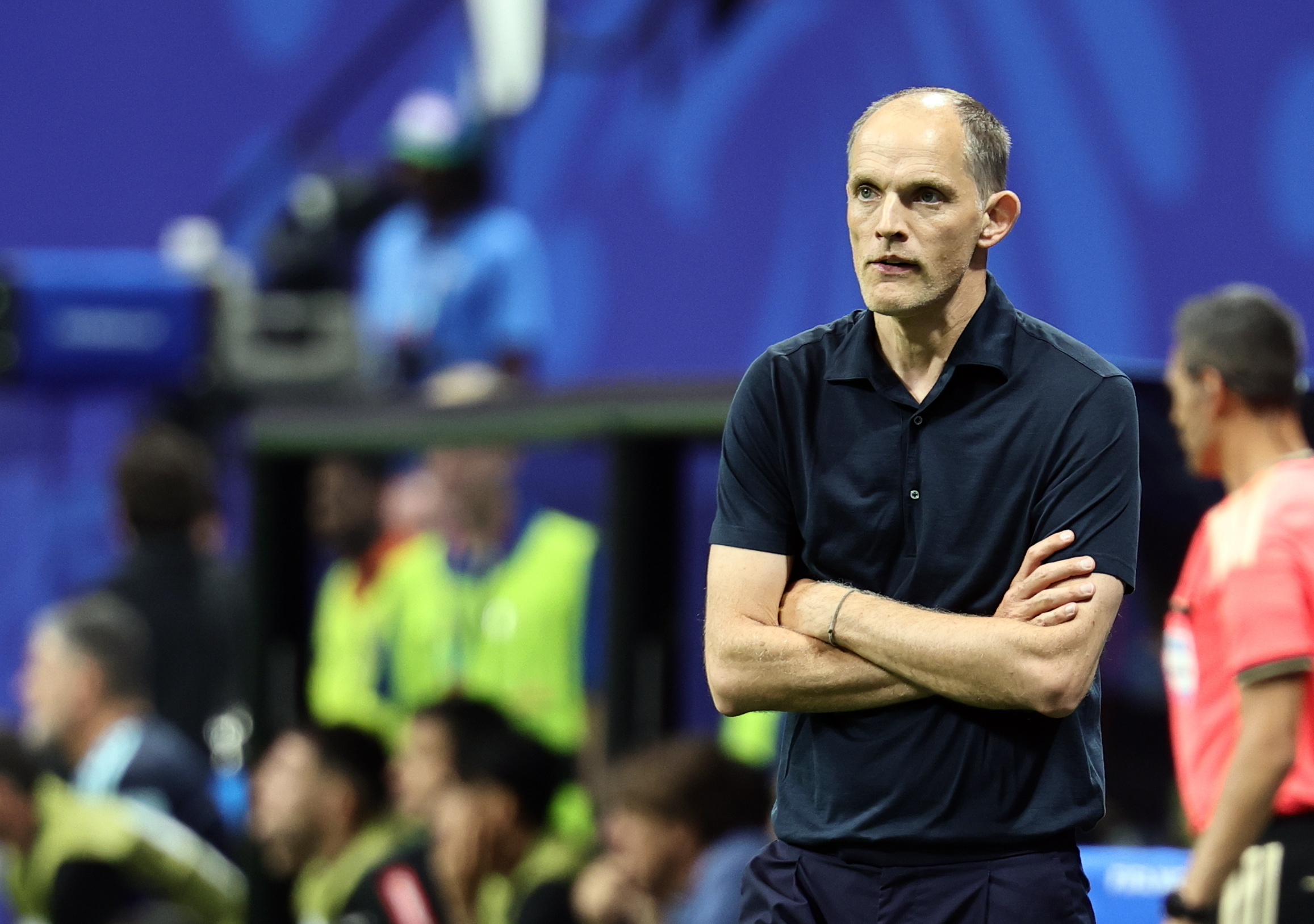
England has missed out on a spot in the 2026 World Cup final due to what is being described as an overly defensive tactical approach. Manager Thomas Tuchel's decision to excessively retreat allowed Argentina to mount a comeback in the closing minutes of the match. This strategic choice ultimately proved detrimental, as England was unable to secure their passage to the final. The team's inability to maintain offensive pressure or adapt their strategy in the crucial final moments led to their elimination from the tournament. The specific details of the tactical adjustments made by Tuchel are not provided, but the outcome suggests a significant miscalculation in game management. Argentina capitalized on England's defensive posture to score the decisive goals. This result marks a significant disappointment for England's World Cup campaign.
The described tactical decision by England's management to adopt an excessively defensive posture in the latter stages of a critical match raises questions about risk management and strategic flexibility. While defensive solidity is often a cornerstone of successful tournament play, an overemphasis on containment can cede initiative and create opportunities for opponents to exploit. This situation highlights the inherent tension between securing a lead and maintaining offensive pressure, a common dilemma in high-stakes football. Evaluating such decisions requires considering the specific game context, player capabilities, and the opponent's strengths, but the ultimate outcome suggests a potential miscalibration of these factors. The long-term implications may involve a re-evaluation of tactical doctrines and in-game adaptability within the team's coaching philosophy, particularly in the context of evolving global football strategies.
AI-generated to prompt reflection — not editorial opinion, not advice, not a statement of fact. How this works.