Tumen River Emerges as New Strategic Waterway, Echoing Historical Significance
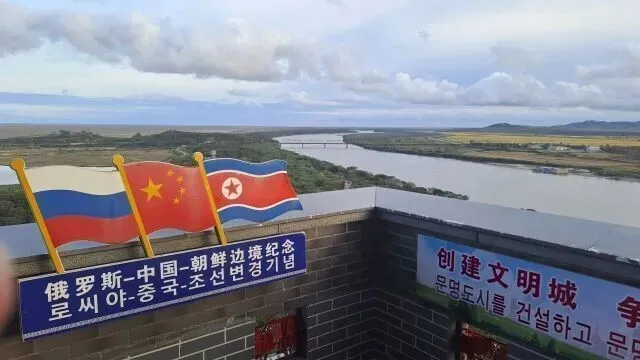
This column posits that the Tumen River is becoming the new Yalu River, and the Yalu River is taking on the role previously held by the Pearl River. This geopolitical and economic shift suggests a reordering of regional importance along China's northeastern borders and its connections to the broader East Asian economic landscape. The Tumen River, forming part of the border between North Korea, China, and Russia, is gaining prominence as a potential hub for trade and transit. Historically, the Yalu River served as a significant border and strategic waterway, particularly between China and North Korea, playing a crucial role in regional conflicts and economic flows. The Pearl River Delta, on the other hand, has long been a powerhouse of Chinese manufacturing and global trade. The comparison implies a decentralization of economic activity or a shift in strategic focus away from the southern economic centers towards the northern frontiers. This transformation could be driven by various factors, including changing trade dynamics, infrastructure development, and evolving geopolitical alliances in Northeast Asia. The column suggests that understanding these shifts is crucial for navigating the future economic and political map of the region. The re-evaluation of these rivers' significance highlights the dynamic nature of international relations and economic development in East Asia.
The assertion that the Tumen is the new Yalu and the Yalu the new Pearl River suggests a potential recalibration of economic and geopolitical influence in Northeast Asia. This perspective may reflect evolving trade routes, infrastructure investments, and shifting regional power dynamics, possibly driven by China's Belt and Road Initiative or other regional development strategies. Such a transformation could indicate a move towards greater integration of North Korea into regional economic frameworks, or a strategic re-emphasis on border regions for resource development and transit. Analyzing these shifts requires considering the interplay of national interests, international sanctions regimes, and the long-term economic viability of these northern corridors compared to established southern hubs. The potential implications for regional stability and global supply chains warrant careful monitoring over the next decade.
AI-generated to prompt reflection — not editorial opinion, not advice, not a statement of fact. How this works.