Tuna in Water vs. Oil: Differences and Best Uses in Cooking
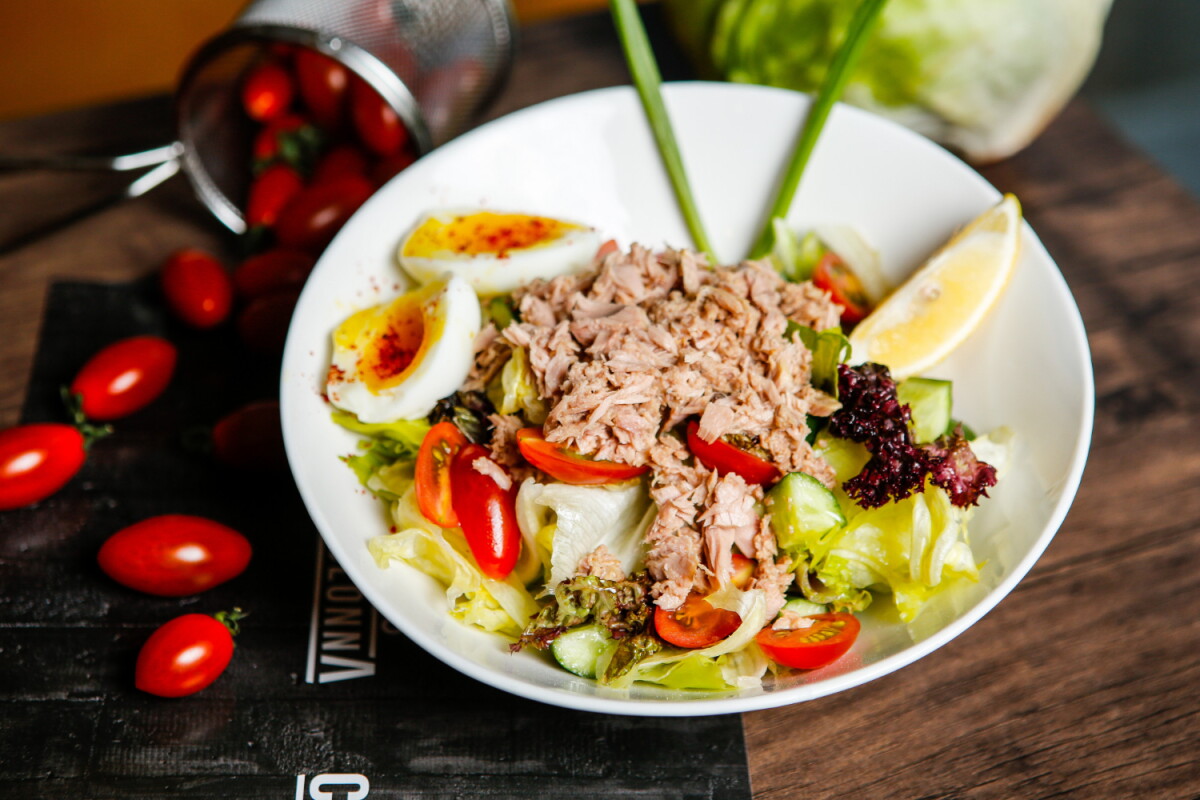
Tuna preserved in water and tuna preserved in oil offer distinct culinary characteristics despite both providing the benefits of fish. The primary differences lie in their flavor, texture, and suitability for various dishes. Tuna packed in water is generally lighter in flavor and has a firmer texture. This makes it an excellent choice for recipes where the tuna's taste should be prominent and not overpowered, such as in tuna salads, sandwiches, or light pasta dishes. The water-based preservation method retains more of the fish's natural moisture. Conversely, tuna packed in oil tends to have a richer, more robust flavor and a softer, flakier texture. The oil infuses the fish, enhancing its taste and mouthfeel. This type of tuna is often recommended for dishes where a more intense tuna flavor is desired, or where the oil can be incorporated into the recipe, such as in pasta sauces, casseroles, or when used as a topping for pizzas. The choice between the two ultimately depends on the desired outcome for the specific preparation.
The preservation method for canned tuna significantly impacts its sensory attributes and culinary applications. While both formats offer nutritional benefits, the choice between water or oil packing influences flavor intensity, texture, and how well the tuna integrates into different dishes. This distinction highlights how food processing techniques can tailor ingredients to specific consumer preferences and cooking styles, affecting ingredient selection in kitchens worldwide. Understanding these differences allows for more informed culinary choices, optimizing flavor profiles and textures in a wide range of recipes.
AI-generated to prompt reflection — not editorial opinion, not advice, not a statement of fact. How this works.