Tuna in Water vs. Tuna in Oil: Understanding the Differences
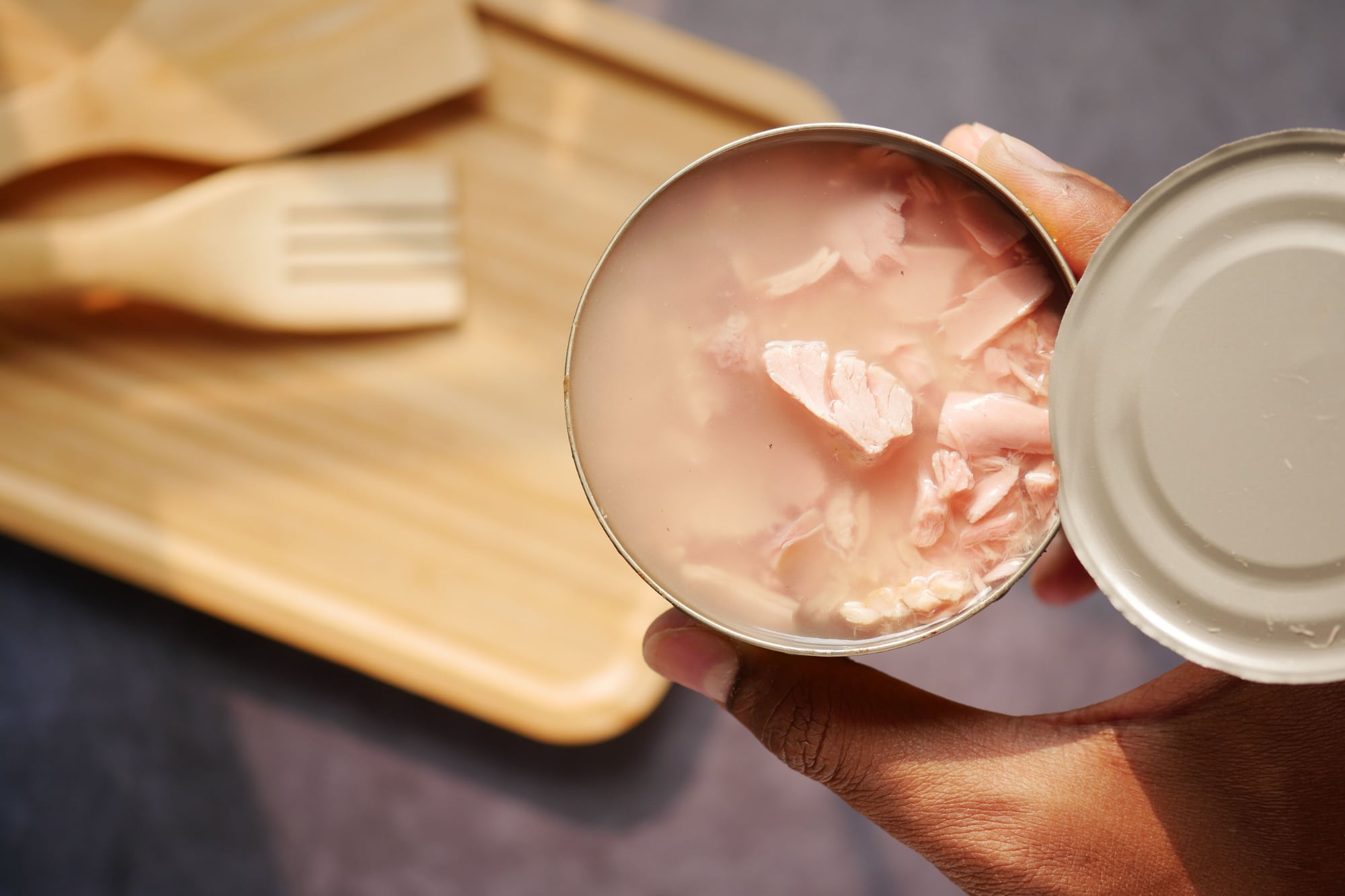
This article explains the key distinctions between tuna canned in water and tuna canned in oil, offering guidance on how to best utilize each variety to enhance culinary creations. The primary difference lies in the canning liquid, which affects the tuna's texture, flavor, and nutritional profile. Tuna packed in water is generally considered a leaner option, retaining less fat and calories. This method preserves the natural flavor of the fish, making it a versatile ingredient for lighter dishes. Conversely, tuna packed in oil absorbs some of the oil, resulting in a richer, more succulent texture and a distinct flavor. The type of oil used, whether olive oil or soybean oil, can further influence the taste. The article suggests pairing tuna in water with ingredients that benefit from its lighter profile, such as in salads or sandwiches where mayonnaise or other dressings are added. Tuna in oil, with its enhanced richness, is recommended for dishes where its robust flavor can shine, like pasta sauces, casseroles, or as a standalone topping for toast. Understanding these differences allows consumers to make informed choices based on their dietary preferences and intended culinary applications, maximizing the flavor and enjoyment of their meals.
The choice between tuna canned in water or oil presents a consumer decision point influenced by taste preferences, perceived health benefits, and culinary application. Tuna in water offers a leaner profile, aligning with contemporary health trends emphasizing reduced fat intake. Tuna in oil provides a richer mouthfeel and flavor, catering to those prioritizing taste and texture. This dichotomy highlights how food processing and preservation methods can significantly alter a product's characteristics and market positioning. Future market dynamics may see further innovation in canning liquids, potentially incorporating healthier oils or flavor-infused options to cater to evolving consumer demands for both health and gourmet experiences. Understanding these subtle yet impactful differences empowers consumers to align their purchasing decisions with their specific dietary goals and cooking intentions.
AI-generated to prompt reflection — not editorial opinion, not advice, not a statement of fact. How this works.