Tungiasis Outbreak Affects Around 100 Children in Northern Natal
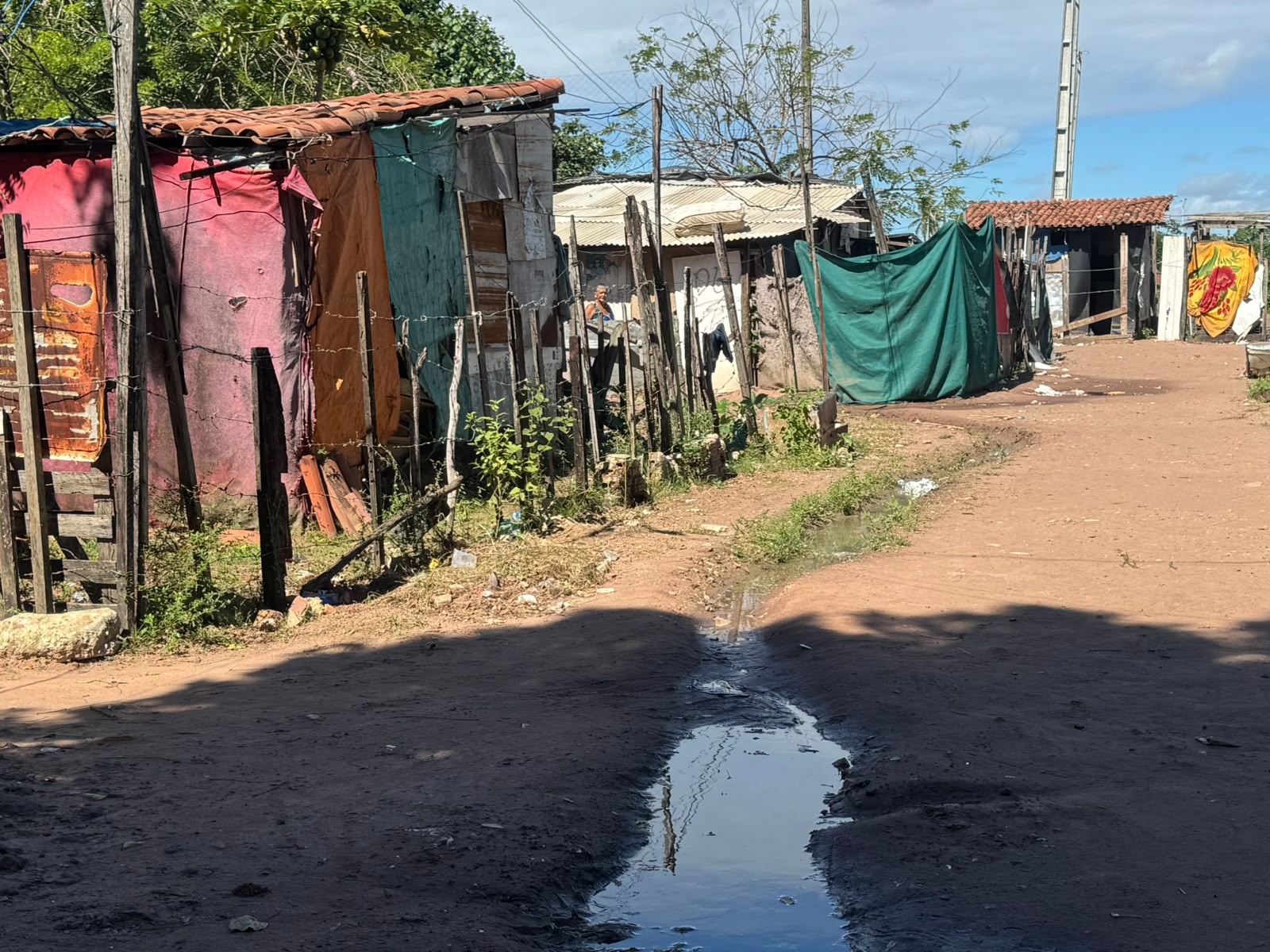
An outbreak of tungiasis, commonly known as 'bicho-de-pé' or jiggers, has affected approximately 100 children and adolescents in the Luiz Beltrame settlement, located in the Parque dos Coqueiros area of Natal's North Zone. The parasitic infestation, caused by the Tunga penetrans flea burrowing into the skin, typically on the feet, causes intense itching, pain, and swelling. If left untreated, it can lead to severe infections and other complications. The severity of the cases prompted an emergency response on Saturday, May 4th, involving doctors, volunteers, and social organizations. The Pediatria Itinerante project, which serves vulnerable areas, organized an extraordinary session specifically for treating the disease. Many children presented with numerous lesions, some as many as 30 to 40. Eleven doctors participated in the event held at a local municipal school, providing clinical evaluations and medical prescriptions, with more severe cases referred for specialized follow-up. Residents reported that tungiasis is a frequent problem in the community, exacerbated by environmental conditions like standing water after heavy rains, which can harbor germs and bacteria. In some instances, children have required surgery due to infections. Medical professionals warned that while often dismissed as minor, tungiasis can escalate to serious conditions, including secondary bacterial infections, sepsis, and tetanus if vaccinations are incomplete. Prevention strategies include avoiding walking barefoot in contaminated areas, maintaining clean environments, treating domestic animals, and seeking professional medical help at the first signs of symptoms. During the event, families received hygiene and prevention guidance, and children were given sandals to mitigate reinfection risks. The Municipal Health Secretariat stated it conducts regular health actions in the settlement and was unaware of the specific outbreak but has scheduled a new intervention with the North Zone II Sanitary District this month.
The tungiasis outbreak highlights the intersection of environmental conditions, public health infrastructure, and socioeconomic vulnerability in the Luiz Beltrame settlement. The parasitic infestation's recurrence suggests systemic challenges in sanitation and access to consistent healthcare, exacerbated by factors like inadequate housing and potential lack of animal control, creating a fertile ground for the Tunga penetrans flea. While the emergency response provided immediate relief and preventative measures like sandal distribution, long-term solutions require sustained investment in public health services, community education on hygiene, and potentially environmental remediation to address the root causes of infestation. The situation underscores the importance of proactive health surveillance in underserved communities to prevent minor issues from escalating into public health crises, particularly considering the potential for severe secondary infections and tetanus in a population with potentially incomplete vaccination records.
AI-generated to prompt reflection — not editorial opinion, not advice, not a statement of fact. How this works.