Tunisia's Sidi Bou Saïd: A Candidate for UNESCO World Heritage Status
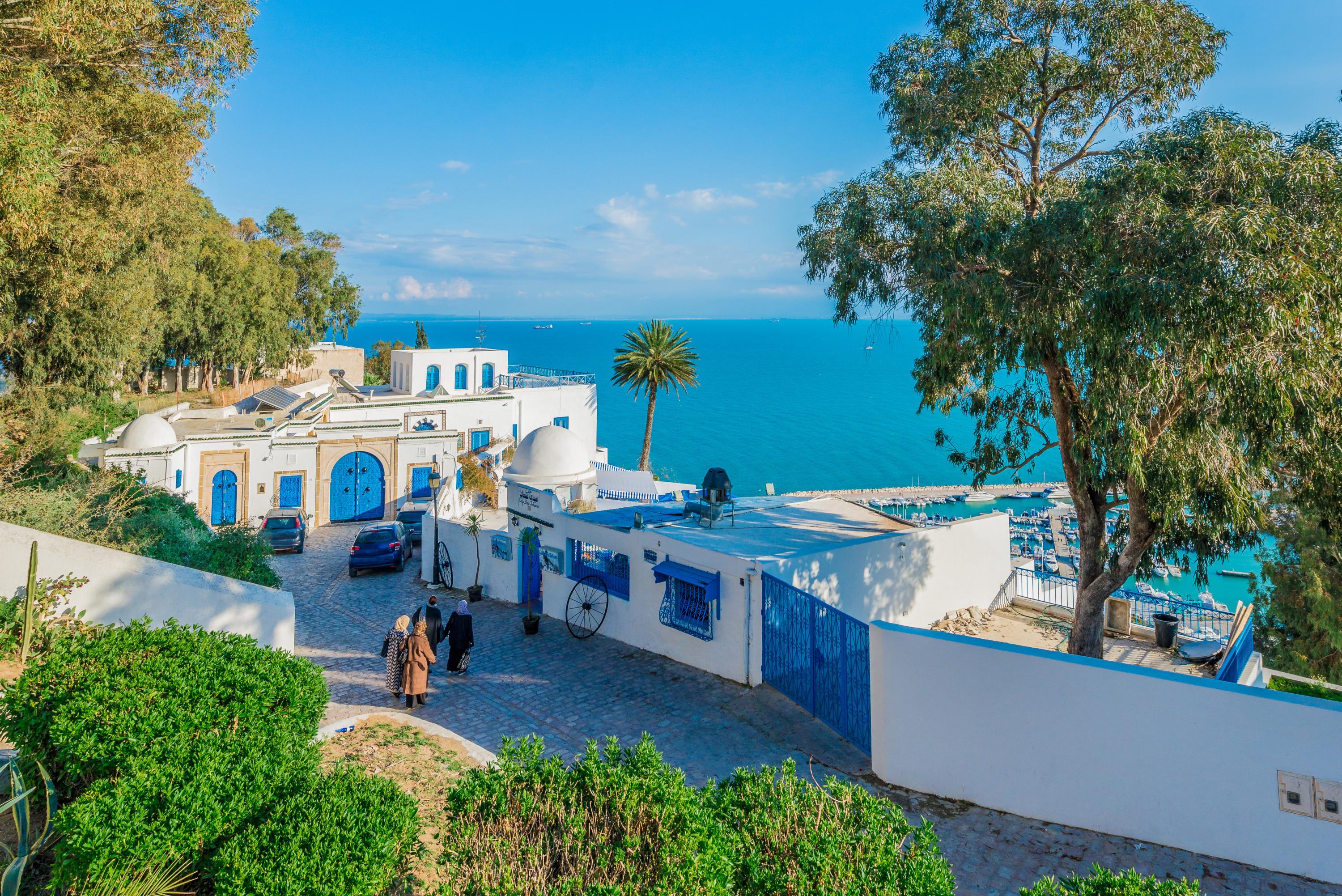
The picturesque Tunisian village of Sidi Bou Saïd, renowned for its distinctive blue and white architecture, is set to have its bid for UNESCO World Heritage status considered. The United Nations Educational, Scientific and Cultural Organization (UNESCO) will evaluate the village's application at the end of July. This potential designation is a significant step for the highly popular tourist destination, which is currently facing threats from geological instability. The village's unique aesthetic and cultural significance are central to its nomination. The evaluation process by UNESCO is a critical juncture, aiming to recognize and protect places of outstanding universal value. Sidi Bou Saïd's inclusion would highlight its importance on a global scale, potentially boosting tourism while also necessitating robust conservation efforts. The geological challenges present a complex hurdle that must be addressed to ensure the long-term preservation of this iconic location.
The potential UNESCO World Heritage inscription for Sidi Bou Saïd highlights the global recognition of its cultural and aesthetic value. This designation could significantly boost tourism, offering economic benefits. However, it also brings increased responsibility for preservation, particularly in light of the identified geological threats. Balancing increased visitor numbers with the need for stringent environmental and structural conservation will be crucial. The process underscores a common challenge for heritage sites: leveraging international recognition for protection while managing the pressures of popularity and environmental vulnerability in the coming decade.
AI-generated to prompt reflection — not editorial opinion, not advice, not a statement of fact. How this works.