Tunnel Blast in India Kills 10 Workers, Traps 15 Others
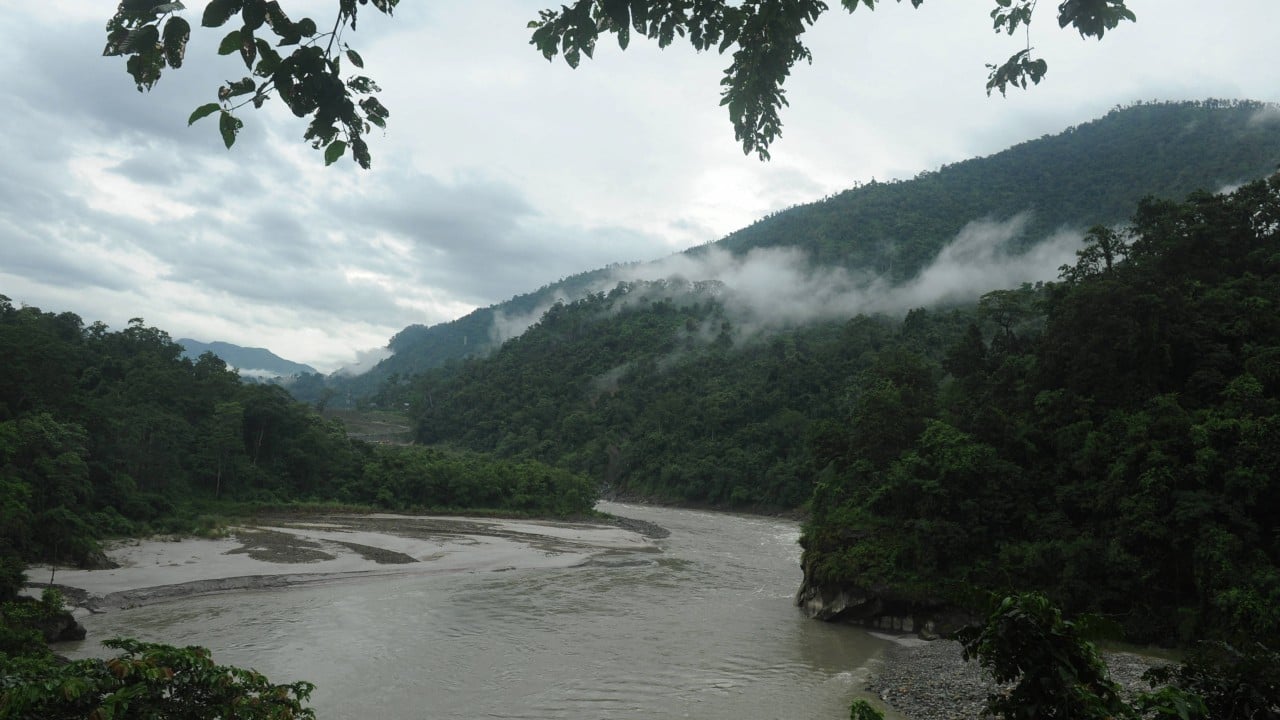
A suspected gas leak triggered a blast in a tunnel at a hydroelectric project in Sikkim, India, resulting in the deaths of 10 workers and leaving at least 15 others trapped. The incident occurred on Monday at a project owned by the state-run National Hydroelectric Power Corp (NHPC) located on the Teesta river in the village of Samardung. Authorities confirmed the fatalities and the number of trapped individuals on Tuesday. The explosion is believed to have been caused by a sudden release of methane gas, which was likely embedded within the tunnel's rock formations. Rescue operations are underway, but the rugged terrain of the northeastern state presents significant challenges. The NHPC project is a significant infrastructure development in the region. Further details regarding the extent of the trapped workers' condition and the ongoing rescue efforts are awaited.
This tragic incident highlights the inherent safety risks associated with large-scale underground construction projects, particularly in geologically complex regions. The suspected methane gas leak points to potential deficiencies in geological surveying and gas detection protocols. Moving forward, enhanced safety regulations, rigorous pre-construction geological assessments, and the implementation of advanced real-time gas monitoring systems will be crucial for mitigating such risks in future infrastructure developments. The prioritization of worker safety must be paramount, balancing project timelines and economic objectives with the fundamental right to a secure working environment. This event underscores the need for continuous improvement in industrial safety standards, especially within the energy sector.
AI-generated to prompt reflection — not editorial opinion, not advice, not a statement of fact. How this works.