Tupã Achieves Historic 4th Place in Regional Games with Record Points
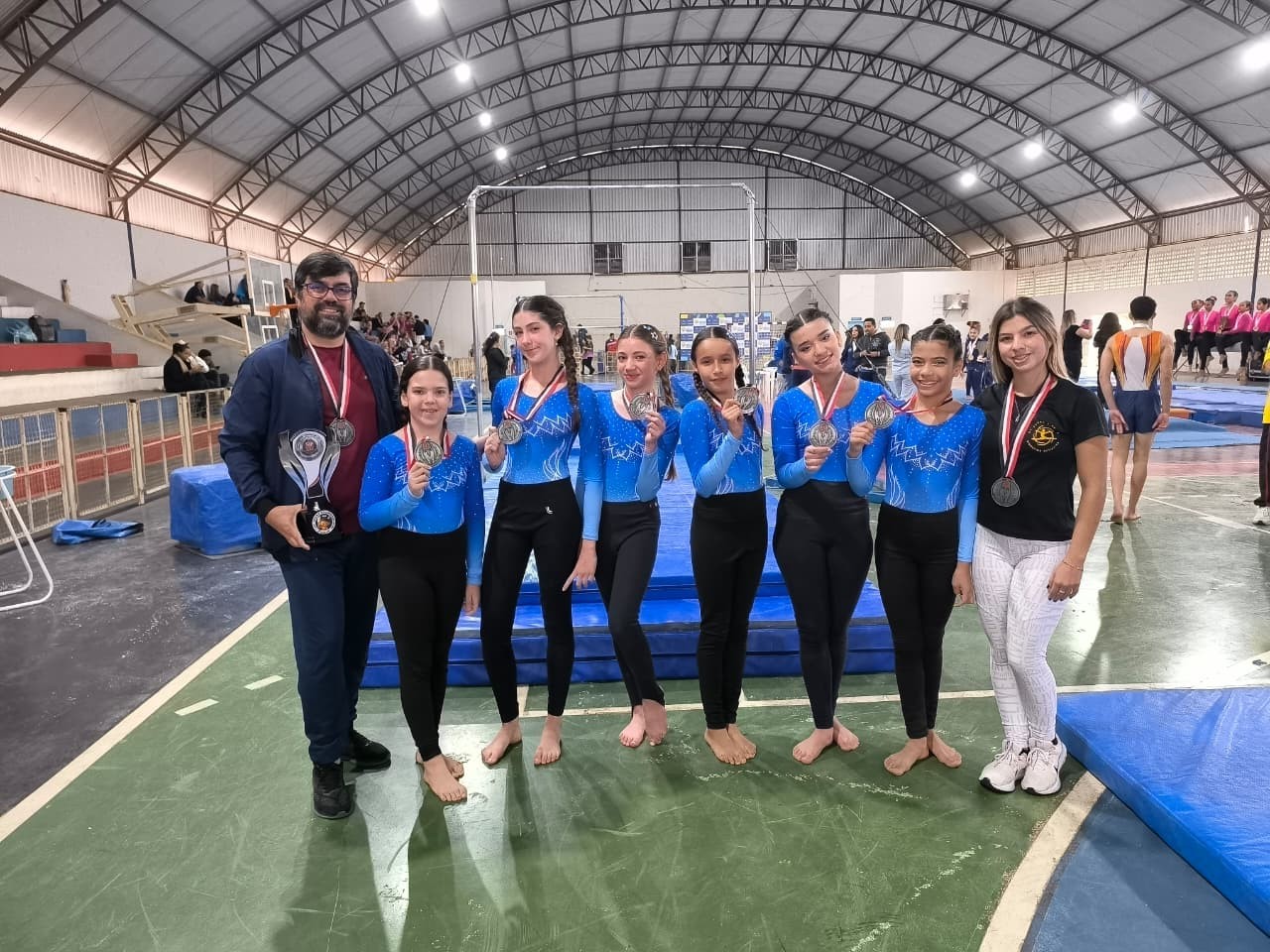
The delegation from Tupã concluded its participation in the 68th Regional Games of the 7th Sports Region of São Paulo State with a historic achievement. The city secured the silver medal in team events for artistic and rhythmic gymnastics, held in Penápolis, which provided the necessary points to confirm their 4th overall position with 194 points. This marks one of the best campaigns in the city's history in the competition, representing a significant improvement from the previous year. In 2025, Tupã finished 5th with 149 points; this year, they not only climbed one spot but also gained 45 more points, demonstrating the strengthening of sports in Tupã and the enhanced performance of athletes across various disciplines. Marília led the final standings with 299 points, followed by Assis (239) and Presidente Prudente (214). Tupã secured fourth place with 194 points, ahead of Ourinhos, which finished with 135 points. Mayor Renan Pontelli celebrated the outcome, emphasizing the dedication of the athletes, technical staff, and everyone involved in sports development. He highlighted the historical significance of the fourth-place finish and the increased points, attributing the success to hard work and belief in sports as a development tool. Tupã also hosted a significant portion of the 68th Regional Games competitions, receiving praise for its facilities and organization from visiting delegations. This successful campaign reinforces the growth of sports in Tupã and the ongoing efforts to bolster athletic programs, expand opportunities, and solidify the municipality's standing among the top contenders in the 7th Sports Region.
The city of Tupã's improved performance in the Regional Games, marked by a higher overall ranking and increased points, reflects a potential increase in investment and strategic focus on athletic development. This success, coupled with their role as a host city, suggests a municipal strategy to leverage sports for community engagement and regional influence. The data indicates a positive trend, but sustained success will depend on continued resource allocation, talent development programs, and effective sports governance. Future analysis should consider the long-term impact of these investments on athlete retention, broader public health outcomes, and the economic benefits derived from hosting such events.
AI-generated to prompt reflection — not editorial opinion, not advice, not a statement of fact. How this works.