Tupã City Hall Cleans Up Property With Excessive Material Accumulation
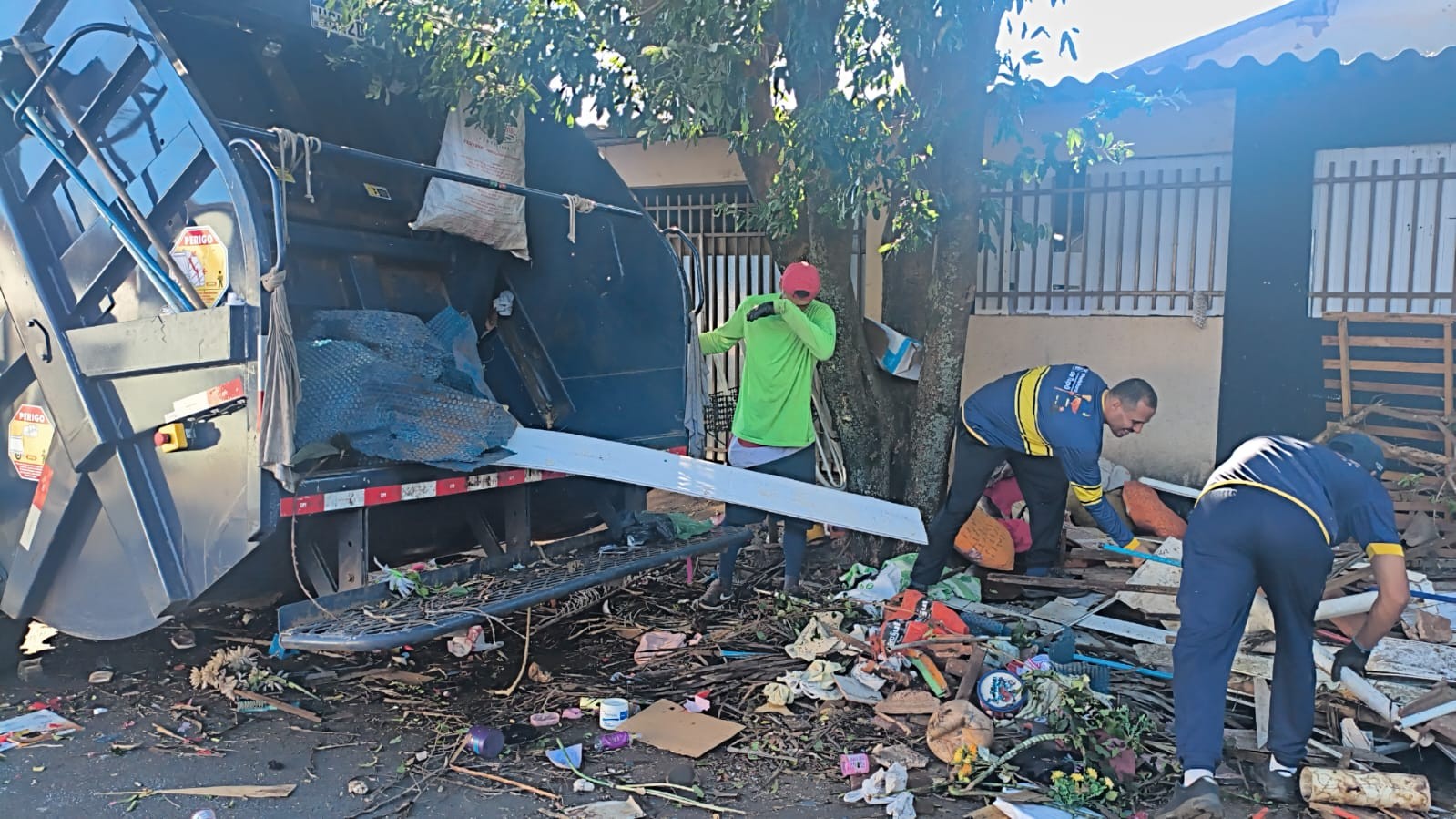
The Tupã City Hall in Brazil has conducted a cleanup operation at a residence following numerous public complaints received via WhatsApp. Residents reported a significant accumulation of materials, which created an environment conducive to the proliferation of disease-carrying pests such as mosquitoes, scorpions, spiders, and rats. The collected items included furniture, wood, branches, debris, and various other objects. This excessive buildup posed public health risks, including the potential for disease transmission and accidents, as well as increasing the risk of rainwater accumulation and fires. The operation resulted in the removal of approximately four truckloads of materials, restoring better hygiene and safety conditions to the property and its surroundings. Josias Rodrigues, head of Urban Cleaning, emphasized the importance of such interventions for community health, stating that these actions protect not only the property but the entire neighborhood. The City Hall encourages residents to report similar hazardous conditions through official channels to ensure prompt identification and resolution of risks, thereby maintaining a cleaner, safer city and preserving the quality of life for its population.
This intervention by the Tupã City Hall addresses a localized public health and safety concern stemming from an individual's property management. The action highlights the tension between private property rights and collective well-being, particularly in densely populated areas. While the city's response is framed as essential for preventing disease and accidents, it also underscores the municipality's role in enforcing standards for property maintenance that impact neighbors. Future considerations might involve exploring proactive public education campaigns on waste management and property upkeep, or establishing clearer, tiered protocols for addressing such issues before they escalate to a level requiring large-scale municipal intervention. This approach could foster greater resident responsibility while ensuring the city retains the capacity to act decisively when necessary.
AI-generated to prompt reflection — not editorial opinion, not advice, not a statement of fact. How this works.