Tupã City Hall Revitalizes AMAE II Sports Complex After Decade
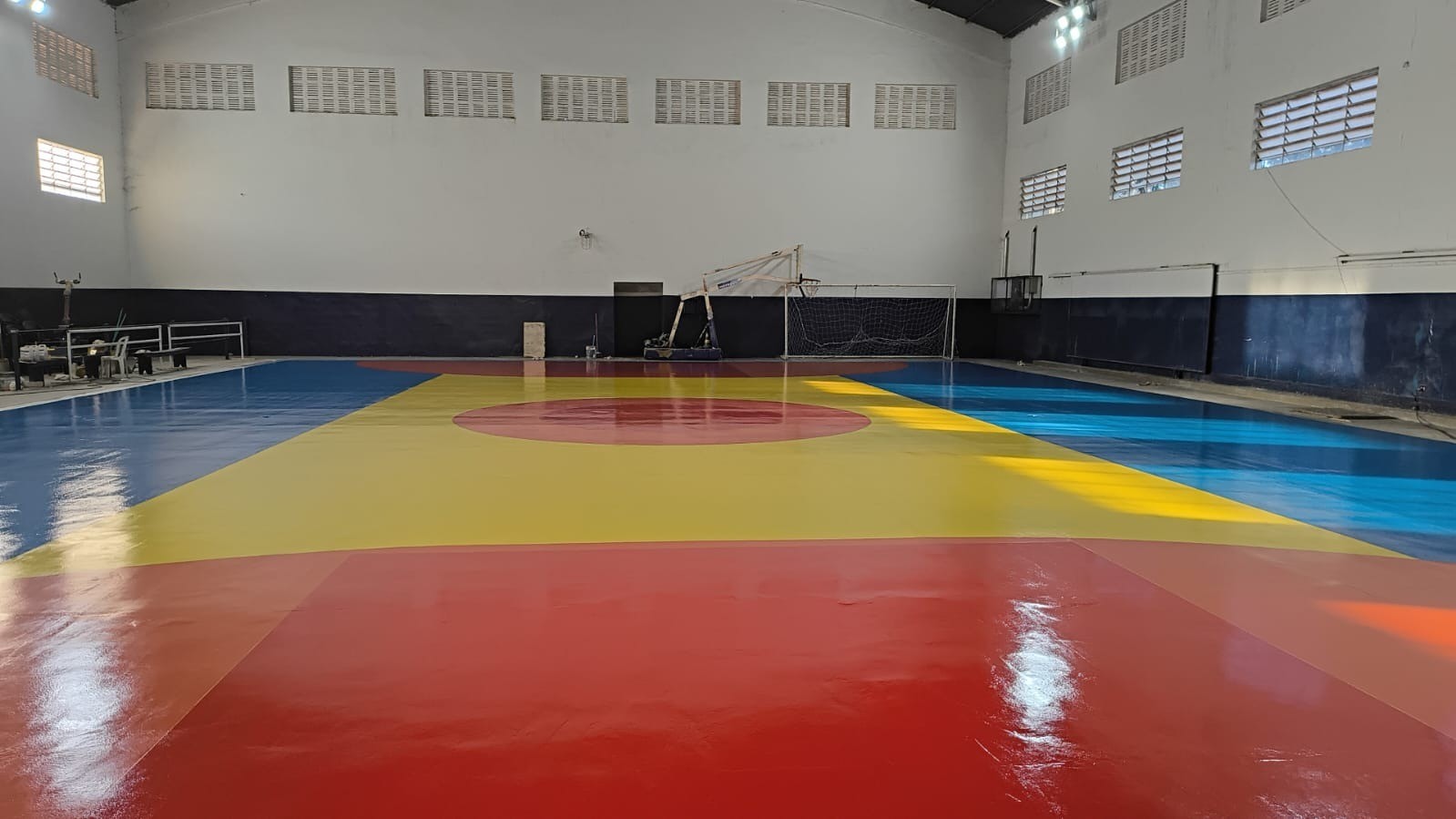
The Tupã City Hall is undertaking a significant renovation and revitalization of the AMAE II (Municipal Academy of Sports) gymnasium, a key sports facility in the municipality. This marks the first major overhaul of the complex in over ten years. The improvements encompass painting, structural repairs, the installation of a high-adhesion, durable epoxy floor on the court, and other modifications designed to enhance the conditions for sports activities. The epoxy coating provides increased wear resistance, a seamless finish, easy maintenance, and better grip, thereby improving athlete safety and court longevity. Initially, the venue is being prepared to host some events for the Regional Games. Following the competition, the gymnasium will remain accessible to the public, offering greater comfort, safety, and quality for students and visitors. AMAE II features courts for volleyball, basketball, and futsal, along with a soccer field and a room for rhythmic gymnastics and dance classes. This free facility serves children, adolescents, and adults across various sports and leisure activities. Mayor Renan Pontelli emphasized that the renovation is an investment in both the Regional Games and the promotion of sports within Tupã. He stated that the revitalized space will be a lasting benefit for the community after the games, providing a safer and more suitable environment for daily sports practice.
The revitalization of the AMAE II gymnasium by the Tupã City Hall addresses a decade-long neglect of a public sports facility. This investment, timed to coincide with the Regional Games, aims to upgrade infrastructure for both competitive events and community use. Such projects highlight the ongoing tension between immediate event-driven needs and the long-term maintenance and modernization of public assets. In the context of an evolving digital and AI-driven society, ensuring accessible, high-quality public spaces for physical activity remains crucial for community well-being and social cohesion. The emphasis on durable materials like epoxy flooring suggests a focus on operational efficiency and longevity, which are critical considerations for public spending in the coming decade. Future planning should consider sustainable funding models to prevent such facilities from falling into disrepair again.
AI-generated to prompt reflection — not editorial opinion, not advice, not a statement of fact. How this works.