Tupã Hosts 68th Regional Games, Boosting Local Economy and Sports Profile
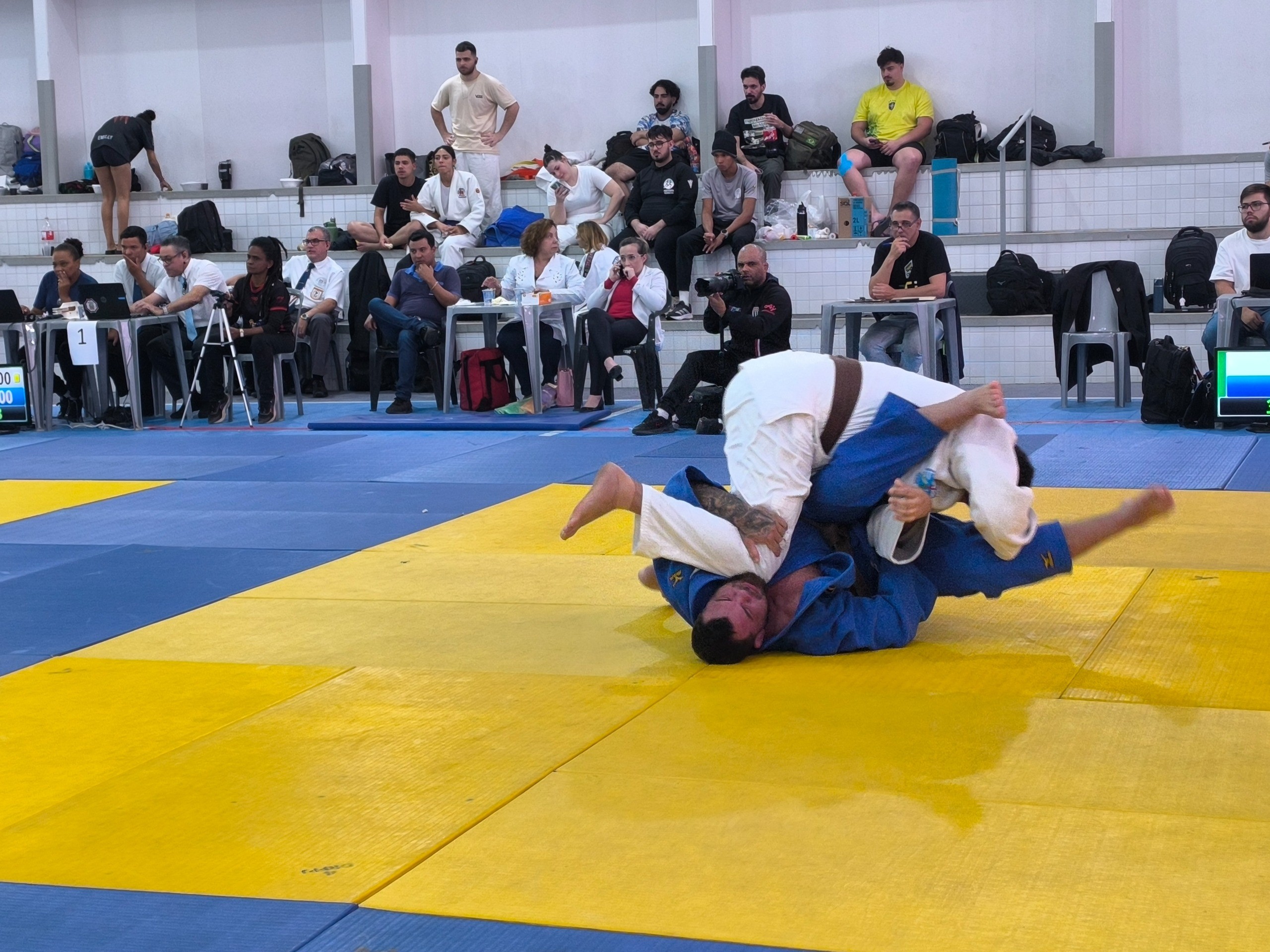
The city of Tupã is hosting the 68th Regional Games of the 7th Sports Region from July 14th to July 23rd, solidifying its position as a major sports hub in São Paulo's interior. The ten-day event brings together 63 municipalities from the Marília and Presidente Prudente regions, attracting approximately 4,500 visitors, including athletes, officials, referees, and their companions. This influx is generating significant economic activity across various local sectors, such as commerce, hospitality, and restaurants. The official opening ceremony, held on Wednesday, July 15th, at the Elias Kenaifes Sports Gymnasium, was a celebratory event attended by authorities, delegations, and residents. A notable moment was the arrival of the Games' torch, carried by Tupã native and Brazilian basketball player Yago Mateus. Beyond the sporting spectacle, the Games provide tangible economic benefits, with hotels reporting increased occupancy, supermarkets seeing more customers, and fuel stations experiencing higher demand. Restaurants are serving hundreds of visitors daily, with a specific example being the provision of around 3,200 meals for referees over the ten days, directly supporting local food establishments. Mayor Renan Pontelli emphasized the Games' role as a tool for economic and social development, highlighting Tupã's capacity to organize and host large-scale events, thereby promoting the city's potential and hospitality to a wider region.
The hosting of the 68th Regional Games in Tupã exemplifies how large-scale sporting events can serve as catalysts for local economic stimulation and infrastructure development. By attracting thousands of participants and visitors, the event directly impacts sectors such as hospitality, retail, and food services, creating a temporary but significant boost to municipal revenue and employment. This aligns with broader trends where cities leverage sports tourism to enhance their regional standing and attract investment. From a governance perspective, the successful execution of such events demonstrates a municipality's organizational capacity and its ability to foster inter-municipal cooperation, potentially paving the way for future regional initiatives. Looking ahead, the integration of such events into long-term urban planning could yield sustained economic benefits, provided there is a focus on legacy infrastructure and sustainable tourism models beyond the immediate event period.
AI-generated to prompt reflection — not editorial opinion, not advice, not a statement of fact. How this works.