Tupã Intensifies Nighttime Scorpion Captures to Reduce Incidents
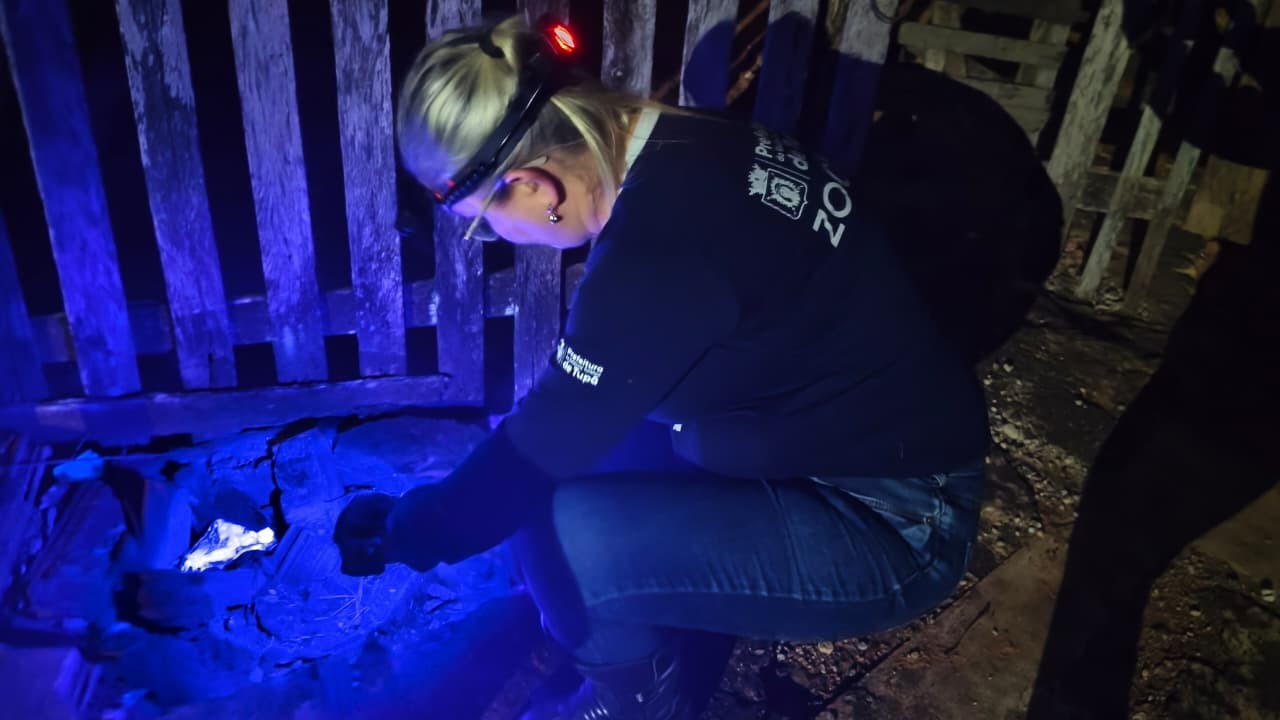
The Municipality of Tupã, through its Center for Zoonoses Control (CCZ), is intensifying nighttime scorpion capture operations across the municipality. These efforts aim to reduce scorpion populations and prevent accidents, particularly in areas with a history of scorpion sightings or where residents have reported their presence. The nighttime operations are more effective because scorpions are more active during these hours, allowing for efficient monitoring and capture.
According to Meiriele Melo, head of the Zoonoses Sector, daytime activities focus on identifying factors that attract scorpions, while nighttime captures help collect specimens and monitor infestations. Municipal Health Secretary Rosângela Urel emphasized that controlling scorpions requires community involvement alongside municipal efforts. Residents are urged to keep yards clean, remove debris that can serve as scorpion habitats, and report sightings to the CCZ.
Robison Luiz, director of the Department of Health Surveillance, stated that continuous monitoring enables strategic intervention in high-incidence areas, thereby reducing risks to the public. The CCZ encourages residents to report scorpion encounters or frequently infested locations so that technical assessments can be made and these areas can be added to the monitoring and capture schedule if necessary.
The Municipality of Tupã's proactive approach to scorpion control through intensified nighttime captures highlights a public health strategy addressing an environmental nuisance. By focusing on nocturnal activity patterns and integrating community reporting with technical monitoring, the CCZ aims to mitigate risks associated with scorpion stings. This integrated strategy, which includes public education on habitat reduction, reflects a systemic approach to vector-borne or animal-related health threats. Looking ahead, the effectiveness of such localized interventions will be influenced by broader urban development patterns and climate shifts that may alter scorpion habitats and activity cycles, necessitating adaptive, data-driven public health responses.
AI-generated to prompt reflection — not editorial opinion, not advice, not a statement of fact. How this works.