Tupã Launches Artisan Card Program to Boost Local Craftspeople
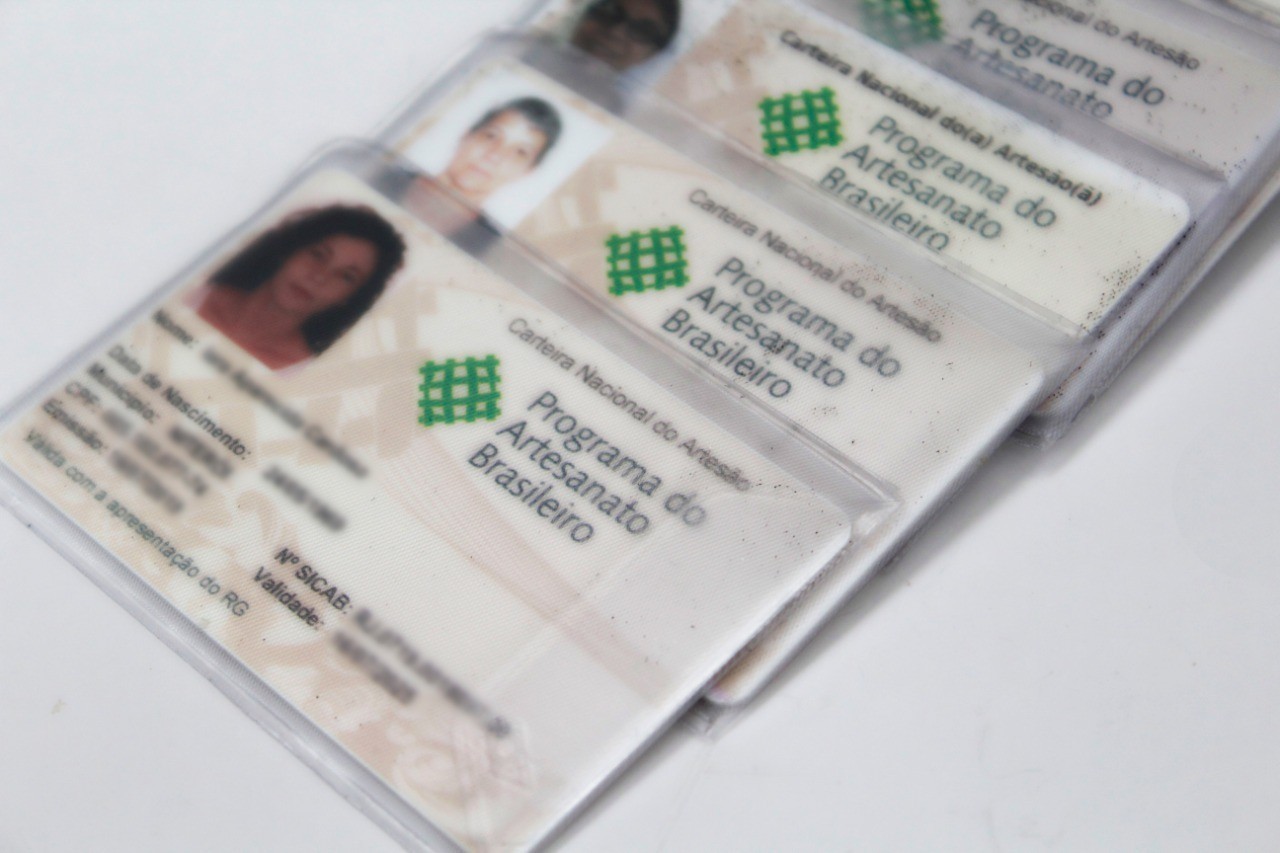
The Municipality of Tupã, through its Secretariat of Culture and Folklore Defense, is organizing a registration event on August 13th and 14th for the issuance of State and National Artisan Cards. This initiative aims to officially recognize the work of local artisans and expand their opportunities for professional development and training. Appointments will be available at the Secretariat's headquarters, with a capacity to serve 88 artisans. On August 13th, services will run from 9 AM to 5 PM, and on August 14th, from 8 AM to 12 PM. The Artisan Card offers significant benefits, including access to qualification courses, training in management, marketing, and sales, and opportunities to participate in fairs and events organized by the Brazilian Craftsmanship Program (PAB). The program also supports entrepreneurship by providing tools for artisans to manage their businesses more effectively. To apply, artisans must bring a completed registration form, original identification (RG and CPF), two finished pieces for each technique they wish to register, and the necessary raw materials and tools to demonstrate their craft. If equipment cannot be transported, finished pieces and a video of the production process are required. This effort is a collaboration between the Municipality of Tupã, the Rural Union, SENAR-SP, FAESP-SP, and the State Secretariat of Economic Development of São Paulo, underscoring a commitment to valuing craftsmanship and strengthening the creative economy.
This initiative by the Municipality of Tupã, in partnership with various state and rural entities, demonstrates a structured approach to formalizing and supporting the local artisan sector. By providing official recognition through the Artisan Card, the program aims to unlock access to crucial resources like training, marketing support, and participation in wider commercial events. This system design addresses potential inefficiencies in the creative economy by fostering entrepreneurship and professional development, thereby enhancing the economic viability of individual craftspeople. Looking ahead, such programs can be crucial in navigating the evolving landscape of digital commerce and global markets, empowering local economies to compete more effectively and preserve cultural heritage through sustainable economic models.
AI-generated to prompt reflection — not editorial opinion, not advice, not a statement of fact. How this works.