Turkey After the 2016 Coup Attempt: Six Key Changes Explained
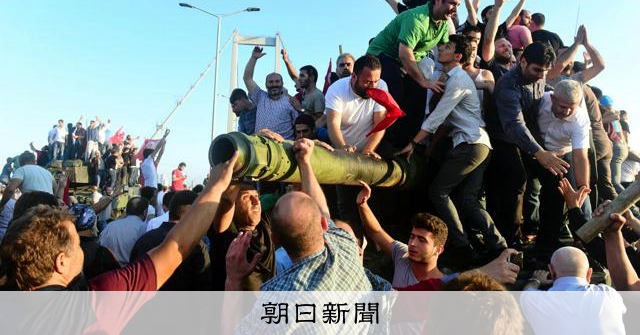
The failed coup attempt in Turkey on July 15, 2016, led to significant and lasting changes within the country. Six key areas illustrate the profound impact of this event on Turkish society, politics, and governance. The government swiftly initiated a widespread purge, targeting individuals suspected of involvement with the Gülen movement, which Ankara blames for orchestrating the coup. This led to the dismissal or arrest of tens of thousands of military personnel, judges, prosecutors, academics, and civil servants. The state of emergency declared in the aftermath further consolidated presidential powers, weakening checks and balances. Constitutional changes were later enacted, transitioning Turkey from a parliamentary system to a presidential one, granting the president extensive executive authority. Media freedom experienced a severe crackdown, with numerous journalists arrested and media outlets shut down, significantly curtailing independent reporting. The coup attempt also had repercussions on Turkey's foreign relations, particularly with Western allies, as the government's response was criticized for its severity and impact on human rights. Finally, the event fostered a heightened sense of national unity and patriotism among supporters of the government, while also deepening societal divisions.
The 2016 coup attempt in Turkey served as a catalyst for significant shifts in the nation's governance and societal structure. The subsequent purges and consolidation of power, particularly the transition to a presidential system, fundamentally altered the balance of authority. This period highlights the complex interplay between national security concerns and democratic principles, raising questions about the long-term sustainability of governance models that concentrate power. The international community's reaction also underscores the challenges of navigating differing perspectives on justice and human rights in the wake of political instability. Looking ahead, the long-term implications for institutional resilience and the protection of civil liberties in Turkey will be shaped by how the nation addresses the legacy of this event and its impact on democratic norms.
AI-generated to prompt reflection — not editorial opinion, not advice, not a statement of fact. How this works.