Turkey Eyes F110 Jet Engines Amidst Trump's NATO Summit Visit
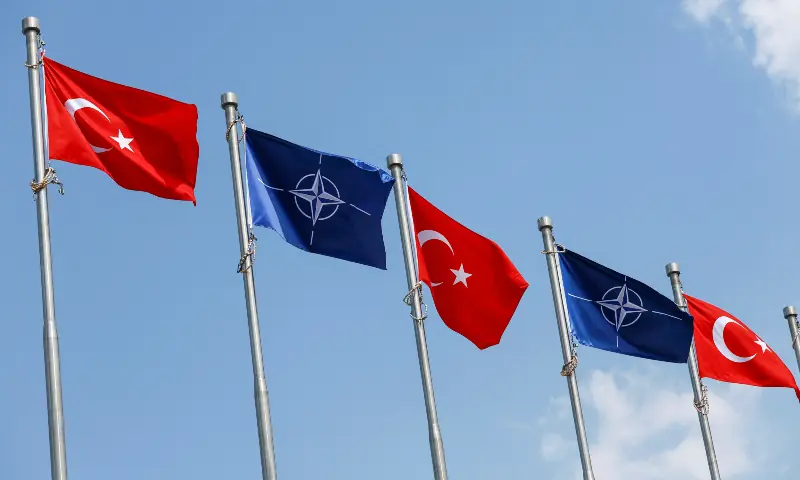
During U.S. President Donald Trump's visit to Ankara for the NATO summit on July 7-8, hosted by President Recep Tayyip Erdogan, Turkey anticipates progress on acquiring dozens of F110 fighter jet engines. These engines are crucial for Turkey's KAAN stealth fighter project, aimed at replacing its F-16 fleet and joining the ranks of nations producing fifth-generation combat aircraft. Analysts suggest Trump's visit could remove obstacles to supplying approximately 40 F110 GE engines for the KAAN, with Turkey having already received an initial batch of 10 and seeking 80 more. Although Turkey aims to eventually equip the KAAN with a domestically produced engine, this project is still in its early stages. The acquisition of additional F110 engines has been hindered by political clearance issues, primarily linked to Turkey's 2017 purchase of Russia's S-400 missile defense system. This led to the U.S. expelling Turkey from the F-35 program in 2019 and imposing CAATSA sanctions, impacting Turkish defense initiatives and bilateral relations. Foreign Minister Hakan Fidan emphasized the need for the U.S. to resolve the CAATSA issue and approve F-35 involvement and KAAN engine supply, noting that congressional approval is pending. Despite the focus on domestic production, the F-35 exclusion has accelerated Turkey's self-sufficiency drive. Experts foresee limited progress on the F-35 dispute, as lifting CAATSA sanctions would likely require Turkey to divest the S-400 system, a complex process involving Russian approval. While the U.S. administration might seek resolution, congressional action is considered difficult, particularly given political considerations surrounding Turkish diaspora groups.
The potential sale of F110 jet engines to Turkey highlights complex geopolitical and industrial interdependencies. While framed as a bilateral transaction, it occurs within the broader context of NATO alliances, Russian defense procurements, and the strategic ambitions of emerging defense industries. The U.S. faces a balancing act between supporting an ally, managing the implications of past sanctions under CAATSA, and navigating domestic political pressures. Turkey's pursuit of indigenous fifth-generation fighter capabilities, exemplified by the KAAN project, underscores a global trend towards defense industrial autonomy, driven by both strategic necessity and a desire to reduce reliance on foreign suppliers. Future developments will likely depend on the interplay of U.S. legislative will, Turkey's strategic choices regarding its defense partnerships, and the evolving global defense technology landscape.
AI-generated to prompt reflection — not editorial opinion, not advice, not a statement of fact. How this works.