Turkey Faces Blacklist Due to Perceived Disloyalty and Ties to Western Adversaries
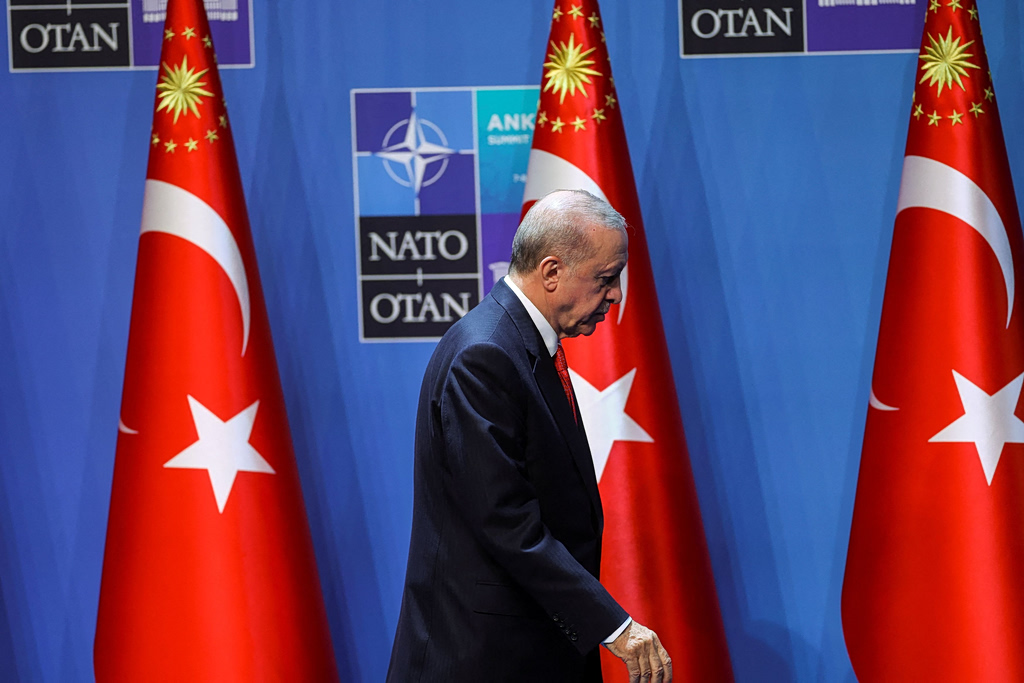
Turkey is reportedly facing the possibility of being placed on a blacklist due to its perceived "disloyalty" and its open communication lines with entities considered adversaries of the West. International reports and analyses have highlighted Turkey's "infidelity," its relationships with Russia, China, Iran, Hamas, and the BRICS group, as well as accusations of antisemitism. These reports have contributed to a narrative suggesting Turkey's alignment with geopolitical forces that challenge Western interests. The original article suggests that these ongoing reports create a sense of relief for certain parties. The specific consequences of such a blacklist are not detailed in the provided text, but the implication is a negative impact on Turkey's international standing and relations.
The narrative surrounding Turkey's potential blacklisting centers on its complex geopolitical positioning and relationships with various international actors, including Russia, China, Iran, and Hamas. This situation highlights the challenges of navigating multipolar international relations, where a nation's strategic choices can be perceived as deviations from established alliances. From a systems perspective, Turkey's actions may reflect an attempt to maximize its autonomy and influence in a rapidly changing global order, potentially seeking to balance its relationships with both Western and non-Western powers. The analysis of "infidelity" and "disloyalty" suggests a rigid, binary view of international relations, which may not fully account for the nuanced diplomatic and economic strategies employed by states seeking to secure their interests. Future geopolitical landscapes will likely demand greater flexibility and adaptability, moving beyond traditional bloc-based alignments.
AI-generated to prompt reflection — not editorial opinion, not advice, not a statement of fact. How this works.