Turkey Orders Arrest of Netanyahu Over Gaza Aid Flotilla Incident
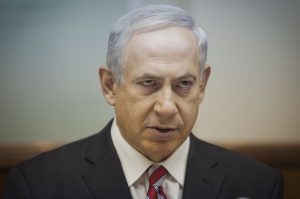
A Turkish court has issued an international arrest warrant for Israeli Prime Minister Benjamin Netanyahu. The decision was made by the 11th High Criminal Court in Istanbul, stemming from a legal case related to the interception of the "Sumud" humanitarian flotilla. This flotilla was attempting to sail towards Gaza. The court's ruling follows a public lawsuit filed against Netanyahu and several other individuals. The lawsuit concerns alleged crimes linked to the 2010 Mavi Marmara incident, where Israeli forces raided a flotilla of ships bound for Gaza. The raid resulted in the deaths of ten Turkish activists. Turkey has previously condemned the Israeli actions and sought accountability through legal channels. This latest judicial action underscores the ongoing diplomatic tensions between Turkey and Israel, particularly concerning the blockade of Gaza and the treatment of Palestinian civilians. The warrant is expected to further complicate bilateral relations and raises questions about international legal jurisdiction.
This judicial action by Turkey represents a significant escalation in the diplomatic dispute over the 2010 Gaza flotilla incident. By issuing an international arrest warrant for Prime Minister Netanyahu, Turkey is leveraging its judicial system to exert pressure and seek accountability for actions that resulted in the deaths of Turkish citizens. This move highlights the complex interplay between national sovereignty, international law, and human rights advocacy. From a geopolitical perspective, it reflects Turkey's assertive foreign policy and its role as a vocal critic of Israeli policies in the Palestinian territories. The long-term implications may involve further strain on diplomatic ties, potential legal challenges regarding the warrant's enforceability, and a continued debate on the legal ramifications of such incidents within the international community. The event also underscores the enduring challenges in resolving the Israeli-Palestinian conflict and the role of international legal mechanisms in addressing alleged human rights violations.
AI-generated to prompt reflection — not editorial opinion, not advice, not a statement of fact. How this works.