Turkey's 'Blue Homeland' Doctrine Fuels Aegean Tensions
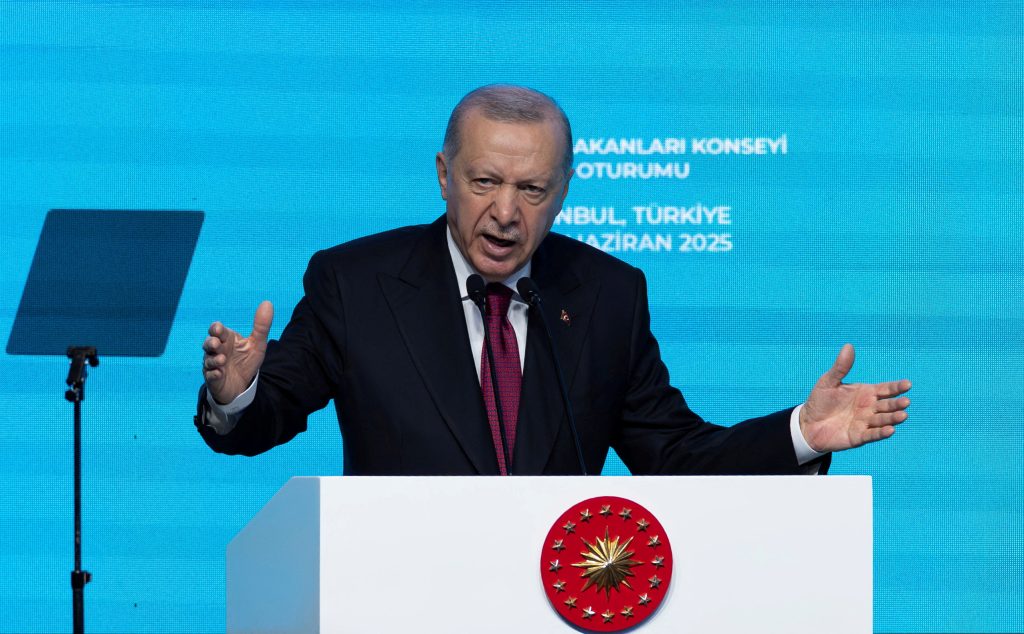
The Turkish government under President Erdoğan is reportedly planning to introduce legislation that would legally formalize the "Blue Homeland" doctrine. This doctrine aims to designate the Aegean Sea as a "special operational regime sea," requiring specific approval and permits for any activity within its waters. This move is not seen as an isolated political maneuver but rather as a deliberate and well-planned aggressive policy. The initiative suggests a systematic effort by Turkey to assert greater control and influence over the Aegean. The potential implications of this legislation could significantly alter the maritime status quo and regional dynamics. It raises concerns about freedom of navigation and the legal framework governing international waters. The Turkish government's intent to codify this doctrine signals a long-term strategic objective regarding its maritime claims. This development is likely to exacerbate existing tensions and disputes in the Aegean region. The international community will be closely watching how this legislative proposal unfolds and its impact on regional stability.
The Turkish government's proposed legislation to codify the "Blue Homeland" doctrine represents a strategic attempt to assert expansive maritime claims in the Aegean Sea. By seeking to establish a "special operational regime sea," Ankara aims to create a legal basis for controlling maritime activities, potentially challenging existing international norms and agreements. This initiative reflects a broader geopolitical strategy to enhance Turkey's regional influence and leverage. The move could provoke counter-responses from neighboring states and international bodies, leading to increased diplomatic friction and potential legal disputes over maritime boundaries and resource rights. The effectiveness and international acceptance of such a unilateral declaration will depend on complex legal interpretations and geopolitical power dynamics. This policy could also be viewed through the lens of domestic political considerations, potentially serving to rally nationalist sentiment.
AI-generated to prompt reflection — not editorial opinion, not advice, not a statement of fact. How this works.