Turkey's Failed Coup: A Decade of Change Under Erdoğan
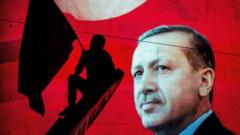
Following the failed military coup attempt on July 15, 2016, Turkish politics has undergone significant transformations across various sectors over the past decade. This event has reshaped both the domestic political power balance and the country's foreign relations. The aftermath of the coup saw widespread repercussions, impacting the internal dynamics of power within Turkey. President Recep Tayyip Erdoğan's government implemented substantial changes in response to the attempted takeover. These changes have had a lasting effect on the nation's political landscape and its interactions with the international community. The period since 2016 has been marked by a consolidation of power and a reorientation of Turkey's strategic alliances and foreign policy objectives. The coup attempt served as a catalyst for profound shifts, influencing the trajectory of Turkish governance and its global standing.
The 2016 coup attempt in Turkey appears to have been a pivotal moment, leading to significant shifts in the nation's political structure and international posture. The subsequent decade under President Erdoğan has been characterized by a rebalancing of power, potentially strengthening executive authority while altering diplomatic relationships. Examining this period through the lens of governance and geopolitical strategy reveals how such events can accelerate pre-existing trends or introduce new ones. The long-term implications for democratic institutions and Turkey's role in regional and global affairs warrant continued observation, particularly in light of evolving technological and societal landscapes that may present new challenges and opportunities for state stability and international engagement.
AI-generated to prompt reflection — not editorial opinion, not advice, not a statement of fact. How this works.