Turkey's Failed Coup: A Decade of Trauma Fueling Erdogan's Hyper-Presidency
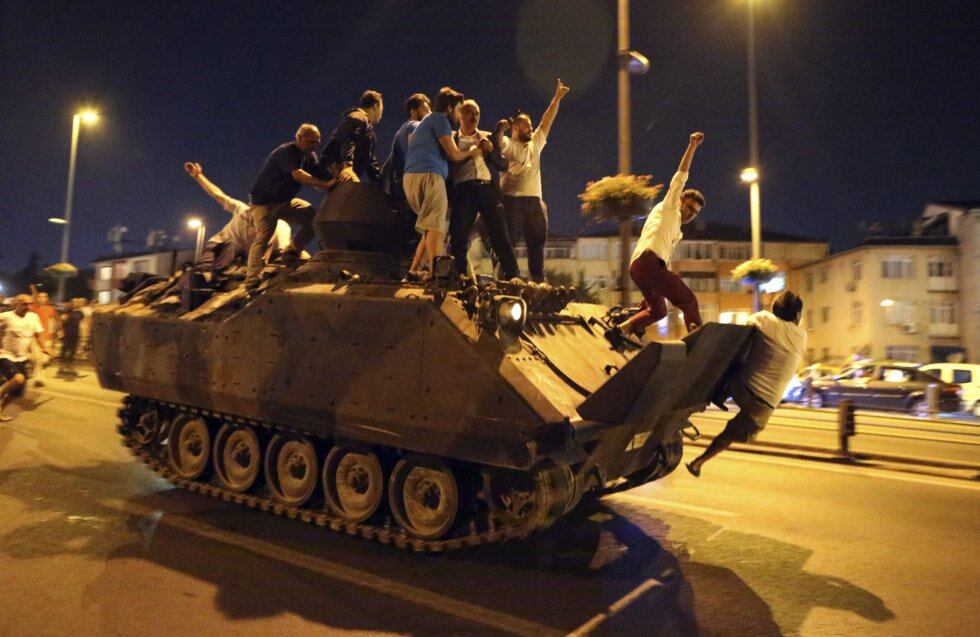
Ten years have passed since the failed coup attempt in Turkey, an event that has profoundly shaped the nation's political landscape. The official narrative has transformed the failed coup into the 'Epic of July 15th.' During the events, over 250 civilians and loyal officials lost their lives while confronting the coup plotters. This traumatic experience has served as a foundational element upon which President Recep Tayyip Erdogan has solidified his hyper-presidential system of governance. The government's framing of the event has been instrumental in consolidating power and shaping public memory.
The failed 2016 coup attempt in Turkey has been strategically leveraged by the Erdogan administration to consolidate executive authority, transitioning the nation towards a hyper-presidential system. The official commemoration of the 'Epic of July 15th,' emphasizing the loss of over 250 civilian and loyalist lives, serves to legitimize subsequent governmental actions and reinforce national unity under a strong leader. This narrative framing, while addressing genuine trauma, also presents a potential governance trade-off: the concentration of power, while potentially ensuring stability, may also limit democratic checks and balances and public discourse in the long term. Understanding the incentive structures driving this political evolution is key to assessing Turkey's future trajectory, particularly in the context of evolving geopolitical dynamics and domestic societal cohesion.
AI-generated to prompt reflection — not editorial opinion, not advice, not a statement of fact. How this works.