Turkey's Republican People's Party Faces Split Amid Weakening, Potentially Bolstering Erdoğan's Authoritarianism
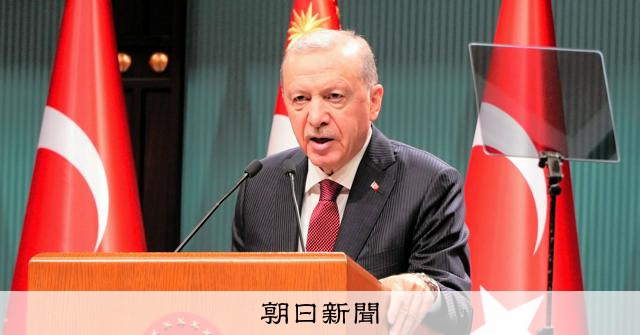
Turkey's main opposition party, the Republican People's Party (CHP), founded by the nation's "founding father," Mustafa Kemal Atatürk, is reportedly facing a significant internal split. This division within the CHP comes at a time when the party is perceived to be weakening. Analysts suggest that this internal turmoil and the CHP's diminished strength could inadvertently lead to an acceleration of authoritarian tendencies within President Recep Tayyip Erdoğan's government. The weakening of a major opposition force might reduce checks and balances on executive power, creating an environment where the ruling party could consolidate its authority further. The potential consequences of this internal party strife extend beyond domestic politics, possibly impacting Turkey's broader political landscape and its democratic institutions.
The reported fragmentation within Turkey's Republican People's Party, a historically significant opposition force, warrants careful observation. Should this internal division lead to a sustained weakening of the party's electoral and political influence, it could alter the dynamics of power within Turkey's governance structure. This shift might reduce the effectiveness of political opposition in challenging executive actions and policy initiatives. From a systemic perspective, a less robust opposition can, in some contexts, reduce the incentives for incumbent governments to engage in broad consensus-building or to adhere strictly to democratic norms. Over the next decade, as technological advancements and evolving societal expectations continue to shape political engagement, the resilience and adaptability of opposition parties will be crucial indicators of democratic health and the capacity for diverse viewpoints to influence national direction.
AI-generated to prompt reflection — not editorial opinion, not advice, not a statement of fact. How this works.