Turkey's S-400 missile deal with a third country nearing finalization, says Erdogan
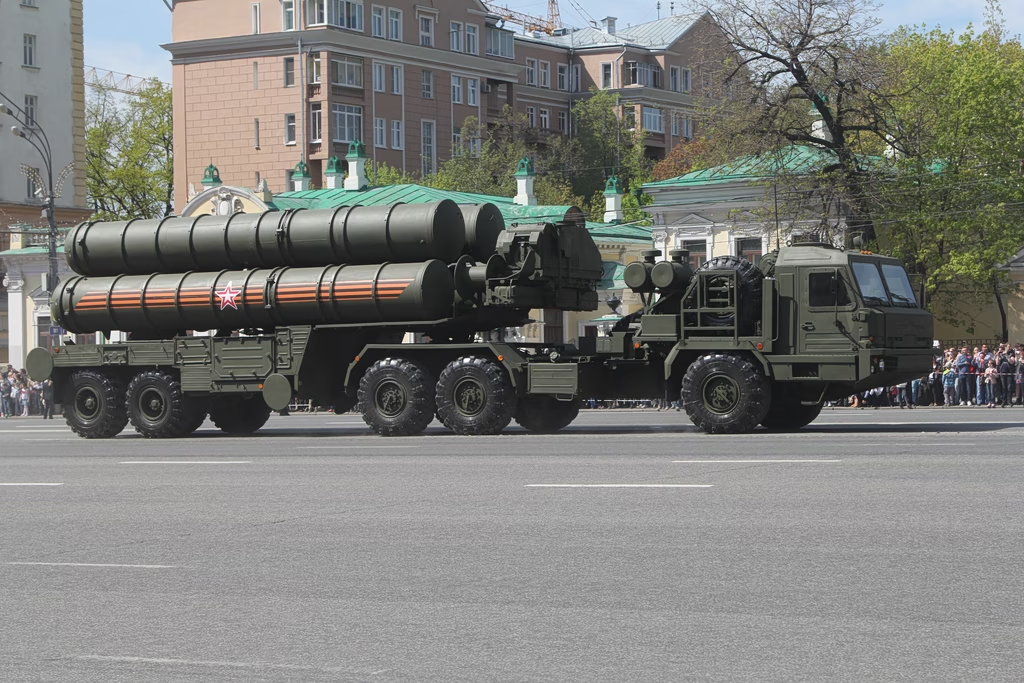
Turkish President Recep Tayyip Erdogan has indicated that a deal for the S-400 missile defense system, previously acquired by Turkey, is nearing completion with a third country. When questioned about the S-400s, Erdogan cryptically responded, "Keep watching us." This statement follows reports suggesting that the United States might lift sanctions imposed under the Countering America's Adversaries Through Sanctions Act (CAATSA). Turkey's original purchase of the S-400 system from Russia had triggered these CAATSA sanctions, leading to its exclusion from the F-35 fighter jet program. The potential sale of the S-400s to another nation raises questions about geopolitical alignments and the future implications for Turkey's defense relationships, particularly with NATO allies. The specifics of the third country involved and the terms of the potential sale remain undisclosed, but the announcement suggests a significant development in the ongoing saga of Turkey's controversial S-400 acquisition.
The potential sale of Turkey's S-400 missile defense system to a third country, hinted at by President Erdogan, presents a complex geopolitical scenario. This move could be interpreted as Turkey seeking to recoup its investment while navigating the constraints imposed by its acquisition of Russian military hardware. The CAATSA sanctions, which barred Turkey from the F-35 program, highlight the tension between Turkey's defense procurement choices and its NATO commitments. A sale to another nation might offer Turkey financial relief and potentially ease some diplomatic friction, but it also raises questions about the destination country's strategic alignment and its own relationship with Russia and the West. This development underscores the intricate balance of power and the evolving defense landscape in a multipolar world, where national security interests often intersect with international alliances and sanctions regimes.
AI-generated to prompt reflection — not editorial opinion, not advice, not a statement of fact. How this works.