Turkey's S-400 Sale Plan to Gulf Nation Sparks US Concerns
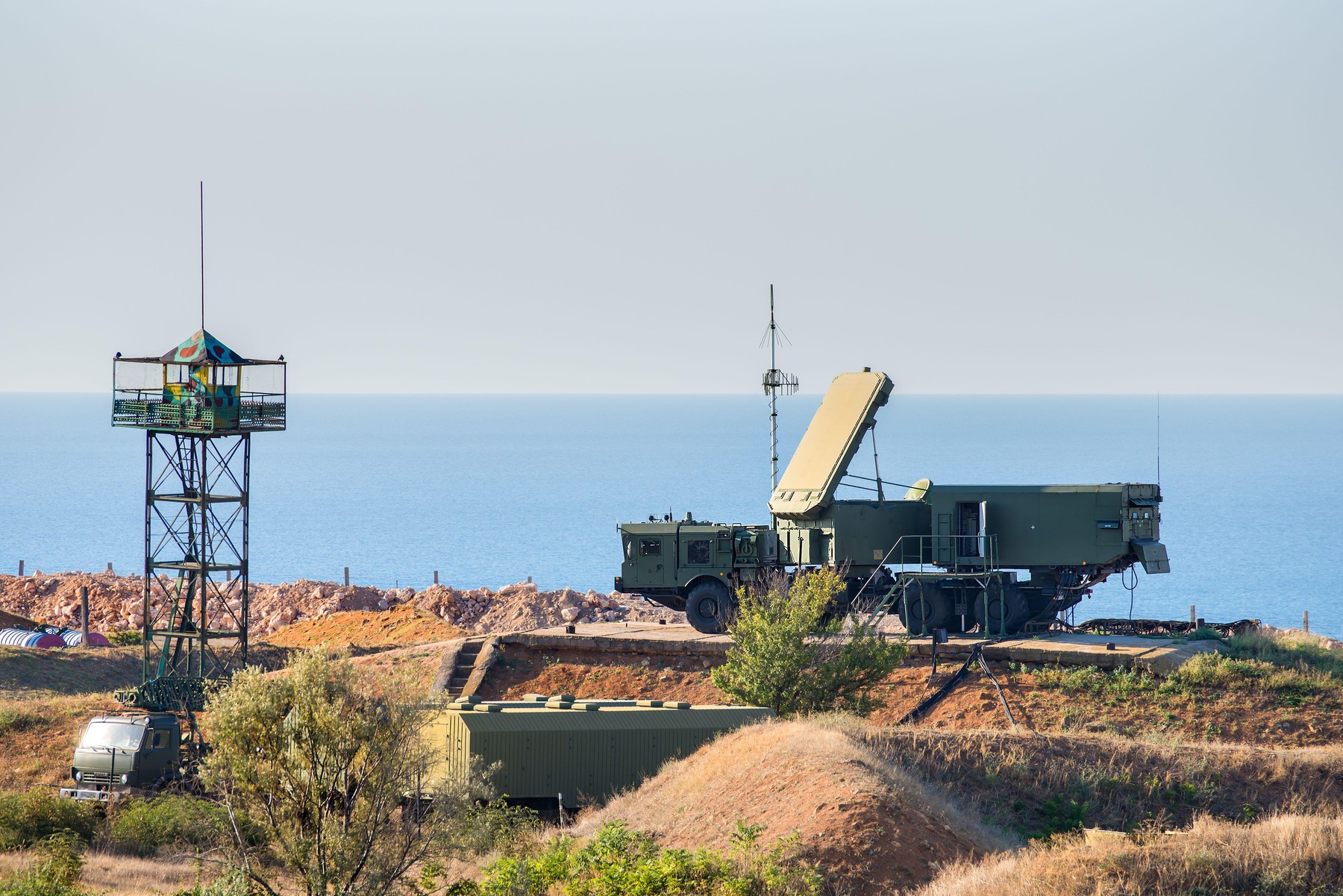
Turkey's intention to sell its Russian-made S-400 air defense system to a Gulf state is raising new security concerns, according to a regional intelligence official cited by Euractiv. This move is reportedly aimed at facilitating Turkey's acquisition of American F-35 fighter jets. The potential sale introduces a complex geopolitical dynamic, involving Russia, Turkey, the United States, and a Gulf nation. The S-400 system is a Russian-origin military hardware, and its transfer to a third country, especially one in a sensitive region like the Gulf, could have significant implications for regional security architecture and international arms control. The United States has previously expressed strong opposition to Turkey's purchase of the S-400, citing interoperability issues with NATO systems and potential risks to its own advanced military technologies. The proposed sale suggests a strategic maneuver by Turkey to leverage its possession of the S-400 system to overcome obstacles in its pursuit of advanced Western military platforms. The exact identity of the Gulf nation involved has not been disclosed. This development highlights the intricate relationships and competing interests among major global powers and regional actors in the Middle East.
Turkey's potential sale of the S-400 system, originally acquired from Russia, to a Gulf state presents a complex interplay of national security interests, geopolitical strategy, and international arms control. The move appears to be a strategic attempt by Turkey to monetize its Russian defense acquisition while simultaneously seeking to re-enter the F-35 program, highlighting the transactional nature of contemporary defense diplomacy. From a systems perspective, such a transfer could recalibrate regional military balances and potentially create new dependencies or friction points between the involved nations and their respective international partners. The United States faces the challenge of managing the proliferation of Russian advanced defense technology while also navigating its alliances and defense trade relationships. This situation underscores the evolving dynamics of defense procurement in a multipolar world, where states increasingly seek to optimize their strategic positioning through diverse and sometimes contradictory defense partnerships.
AI-generated to prompt reflection — not editorial opinion, not advice, not a statement of fact. How this works.