Turkish Comedian Detained for YouTube Performance Criticizing Quran and President Erdoğan
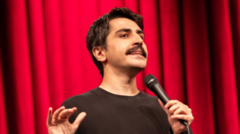
Deniz Göktaş, a stand-up comedian and satirist from Turkey, has been arrested at Istanbul's main airport and temporarily imprisoned by court order. The reason for his detention is a YouTube video of his performance, which has garnered over 9 million views. Göktaş is accused of inciting hatred and enmity through his comedy routine and of insulting Turkish President Recep Tayyip Erdoğan. He has denied these accusations. The comedian's arrest highlights ongoing concerns about freedom of expression in Turkey, particularly when content is perceived to challenge religious or political figures. The legal proceedings against Göktaş will likely be closely watched by human rights organizations and those concerned with artistic freedom.
This incident underscores the complex interplay between freedom of expression, religious sensitivities, and political authority in Turkey. The legal framework appears to allow for prosecution based on content deemed insulting to religious texts or public officials, even within a comedic context. This raises questions about the boundaries of satire and the potential for such laws to be used to stifle dissent. From a systemic perspective, the case may reflect an incentive structure where political leaders prioritize maintaining public order and their image, potentially at the expense of broader civil liberties. Looking ahead, the increasing global reach of online platforms means that such incidents can quickly gain international attention, potentially impacting Turkey's soft power and its relationships with countries that champion free speech principles. The challenge lies in balancing societal values with the protection of individual expression in an evolving digital landscape.
AI-generated to prompt reflection — not editorial opinion, not advice, not a statement of fact. How this works.