Turkish Culture Minister Calls Hagia Sophia a 'Symbol of the Conquest'
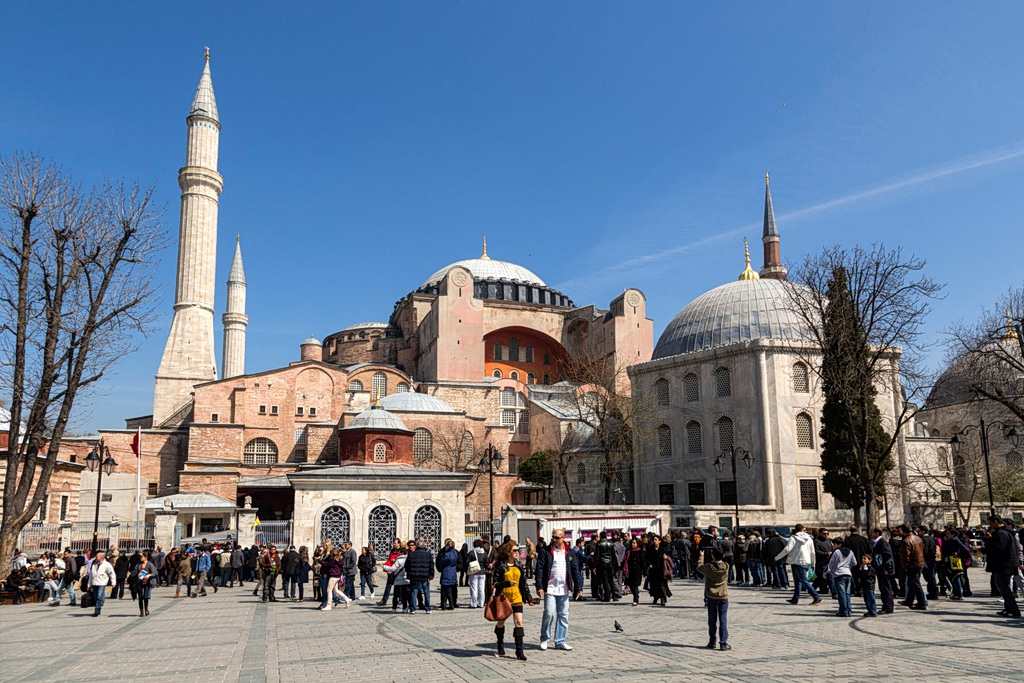
Turkey's Minister of Culture and Tourism, Mehmet Nuri Ersoy, has sparked renewed controversy with a statement regarding Hagia Sophia. The remarks coincide with the sixth anniversary of Hagia Sophia's reconversion into a mosque. Ersoy described the occasion as 'historic' and a significant anniversary. His statement, posted on social media, referred to Hagia Sophia as a symbol of the Ottoman conquest of Constantinople in 1453. This declaration has elicited strong reactions within Turkey, highlighting ongoing sensitivities surrounding the status and historical significance of the landmark. The minister's comments underscore the Turkish government's perspective on the site's historical narrative and its current use. The anniversary marks a period of reflection and debate on the cultural and religious identity associated with Hagia Sophia.
The Turkish Minister of Culture's characterization of Hagia Sophia as a 'symbol of the conquest' frames its reconversion into a mosque through a specific historical lens. This framing can be interpreted as a deliberate assertion of national narrative and historical continuity, potentially aimed at solidifying a particular identity. From a geopolitical perspective, such statements can influence regional perceptions and diplomatic relations, especially concerning historical interpretations and cultural heritage. The emphasis on conquest may also reflect broader trends in national identity politics, where historical victories are leveraged to foster domestic cohesion and project national strength on the international stage. Future developments may involve continued cultural diplomacy and potential international discussions regarding the management and representation of shared historical sites.
AI-generated to prompt reflection — not editorial opinion, not advice, not a statement of fact. How this works.