Turkish National Narrative Links Atatürk and Mehmed the Conqueror to Hector of Troy
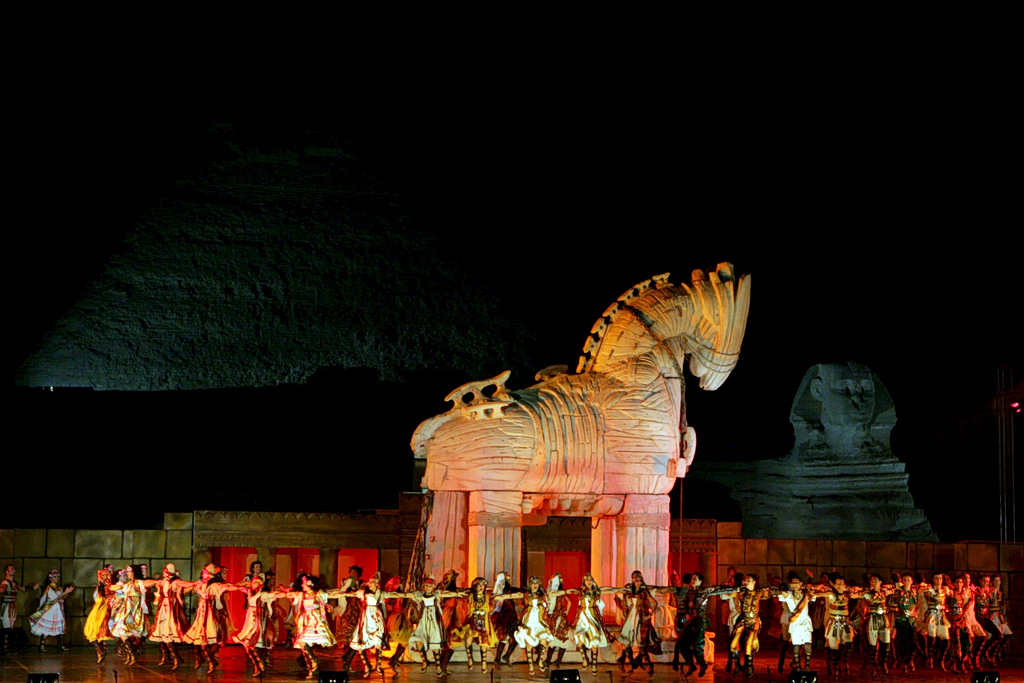
A historical theory originating in the Renaissance continues to shape Turkey's engagement with the legacy of ancient Troy. This narrative connects key figures in Turkish history, namely Sultan Mehmed II (the Conqueror) and Mustafa Kemal Atatürk, to Hector, the legendary Trojan prince. The article explores how this historical perspective influences Turkey's approach to its ancient heritage, particularly the site of Troy. The connection suggests a continuity of historical and cultural significance, framing modern Turkey as inheritors of a rich and ancient past. This linkage between figures from different eras, from the Ottoman Empire to the founding of the Turkish Republic, underscores a deliberate effort to integrate ancient history into a broader national identity. The influence of this Renaissance-born theory highlights the enduring power of historical narratives in shaping national consciousness and how a nation perceives its place in history. The article implies that this perspective is not merely academic but actively informs how Turkey views and interacts with its archaeological and historical sites, such as Troy.
The article examines how historical narratives, originating centuries ago, are actively employed to construct a national identity for modern Turkey. By linking figures like Atatürk and Mehmed the Conqueror to ancient heroes such as Hector, a sense of historical continuity and cultural inheritance is fostered. This approach can be seen as a strategic utilization of historical symbolism to bolster national pride and legitimize contemporary geopolitical perspectives through an ancient lens. The enduring influence of such narratives, even those born in the Renaissance, suggests a powerful mechanism for shaping public perception and national self-understanding. This method of historical synthesis, while enriching cultural heritage, also presents a potential for selective interpretation, emphasizing certain continuities while potentially downplaying others. The long-term implications involve how this curated historical identity interacts with global historical discourse and the evolving understanding of cultural heritage in the 21st century.
AI-generated to prompt reflection — not editorial opinion, not advice, not a statement of fact. How this works.