TV Grande Rio Celebrates 35 Years Serving Pernambuco's Sertão Region
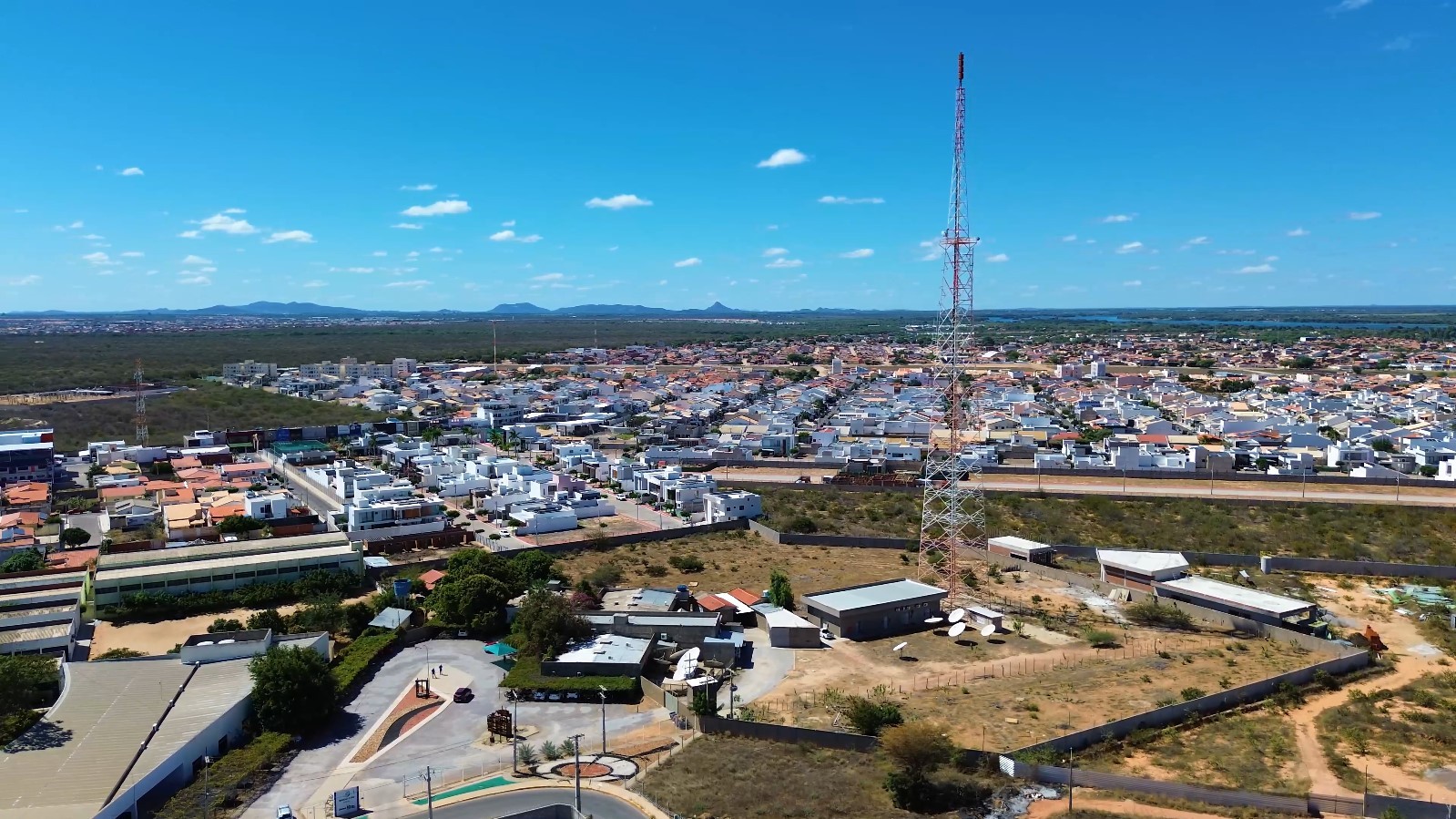
TV Grande Rio, an affiliate of Rede Globo, is celebrating its 35th anniversary on Saturday, August 1st. Based in Petrolina, the television station plays a crucial role in broadcasting the Pernambuco Sertão region to both Brazil and the international community. Its coverage extends across 23 municipalities, including Afrânio, Araripina, Belém do São Francisco, Bodocó, Cabrobó, Cedro, Dormentes, Exu, Granito, Ipubi, Lagoa Grande, Moreilândia, Orocó, Ouricuri, Parnamirim, Santa Maria da Boa Vista, Salgueiro, Santa Filomena, Santa Cruz, Serrita, Terra Nova, and Trindade. Over its three and a half decades, the station has focused on highlighting the daily life and significant historical events of the region. Patrícia Coelho Medeiros, director of the Sistema Grande Rio de Comunicação, emphasized the station's mission to broadcast the region's culture, religion, economic activities, and resources nationwide. The station currently produces two daily news programs, GR1 and GR2, and maintains online portals through g1 and ge Petrolina e Região, while also contributing content to national Globo news programs like Jornal Nacional and Globo Rural. The establishment of TV Grande Rio originated from the initiative of local leaders in the late 1980s, who petitioned the Ministry of Communications in Brasília for a television channel for the area. This effort was notably supported by former deputy Osvaldo Coelho, driven by the region's growth, particularly following the boom of the first irrigation project. The station was officially inaugurated in 1991, and its success is attributed to the dedication of its numerous past and present professionals, whom director Patrícia Coelho considers its most valuable asset.
This anniversary marks a significant milestone for a regional media outlet in Brazil, highlighting its sustained role in local information dissemination and cultural representation. The station's longevity, particularly in a developing region like the Sertão, underscores the importance of localized content in connecting with audiences and fostering regional identity. As media consumption increasingly shifts towards digital platforms, TV Grande Rio's dual presence across broadcast and online channels (g1, ge) positions it to adapt to evolving technological landscapes. Its contribution to national news programs also demonstrates the capacity of regional affiliates to amplify diverse local narratives to a broader audience. The narrative of its founding, driven by local initiative to secure a voice for the region, reflects a broader trend of community-led development and the critical role of media in such endeavors. Future challenges will likely involve maintaining relevance and financial sustainability amidst national media consolidation and the rise of independent digital creators.
AI-generated to prompt reflection — not editorial opinion, not advice, not a statement of fact. How this works.