TV Networks Face Government Backlash for Refusing to Air Trump's Speech
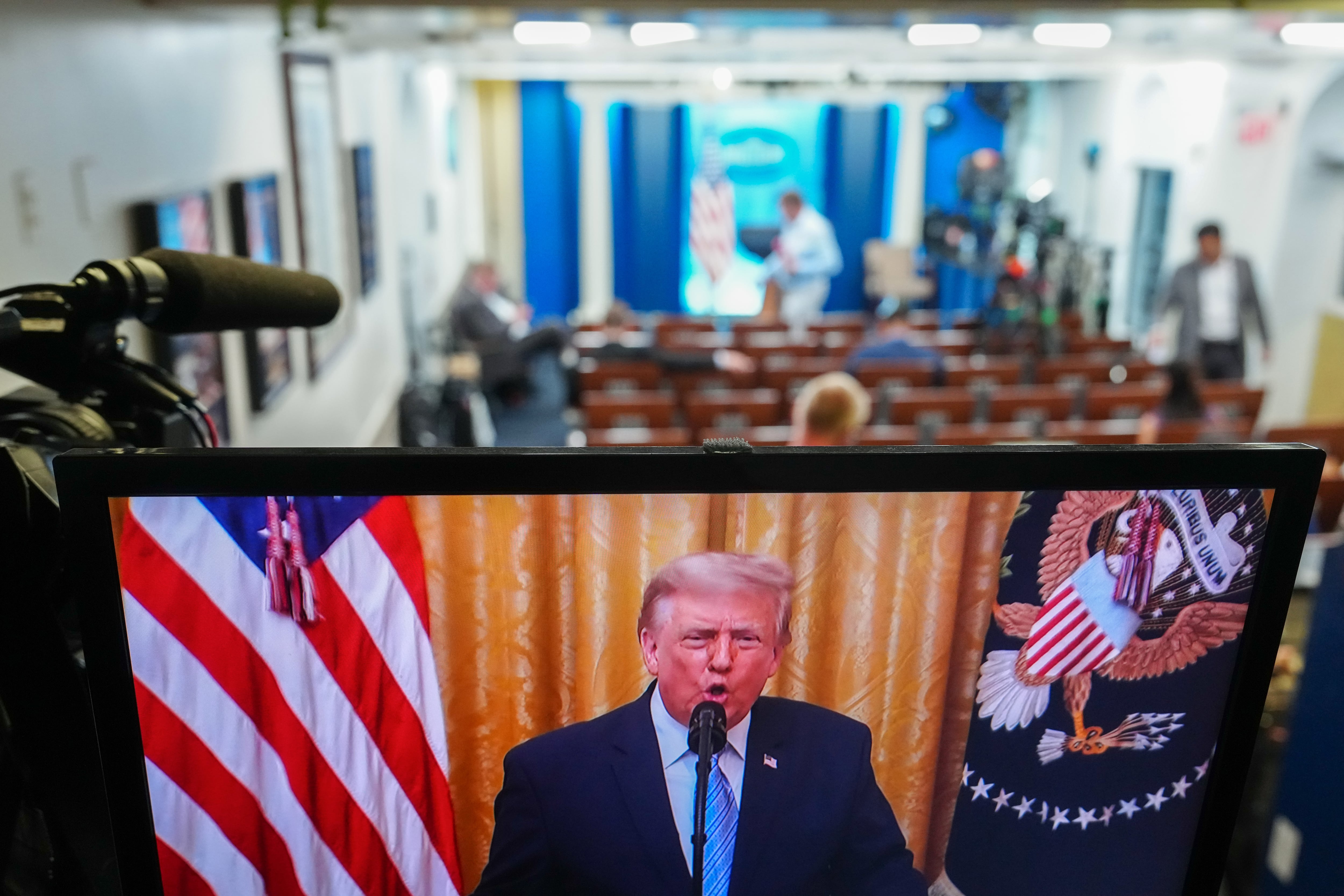
Several television networks are reportedly facing government retaliation after refusing to broadcast a recent speech by former President Donald Trump live and without edits. Trump, a Republican, specifically targeted ABC and NBC for their decision to censor his remarks. The former president expressed his displeasure with these networks for not airing his words as delivered. In contrast, Fox News, which has previously faced legal repercussions for spreading false claims about the 2020 election, reportedly handled Trump's intervention with caution. This situation highlights the ongoing tension between political figures and media outlets regarding the unfiltered dissemination of political messages.
The incident underscores the complex interplay between political figures and media organizations in the digital age. Media outlets face pressure to balance journalistic integrity and the public's right to information against potential accusations of bias or censorship. Government responses, whether direct or indirect, can influence editorial decisions, creating a dynamic where media independence is tested. Examining this event through the lens of future media landscapes, the increasing fragmentation of news consumption and the rise of alternative platforms may further complicate how such political communications are received and regulated.
AI-generated to prompt reflection — not editorial opinion, not advice, not a statement of fact. How this works.