Twentekanaal Closure Costs Businesses Up to €500,000 Daily
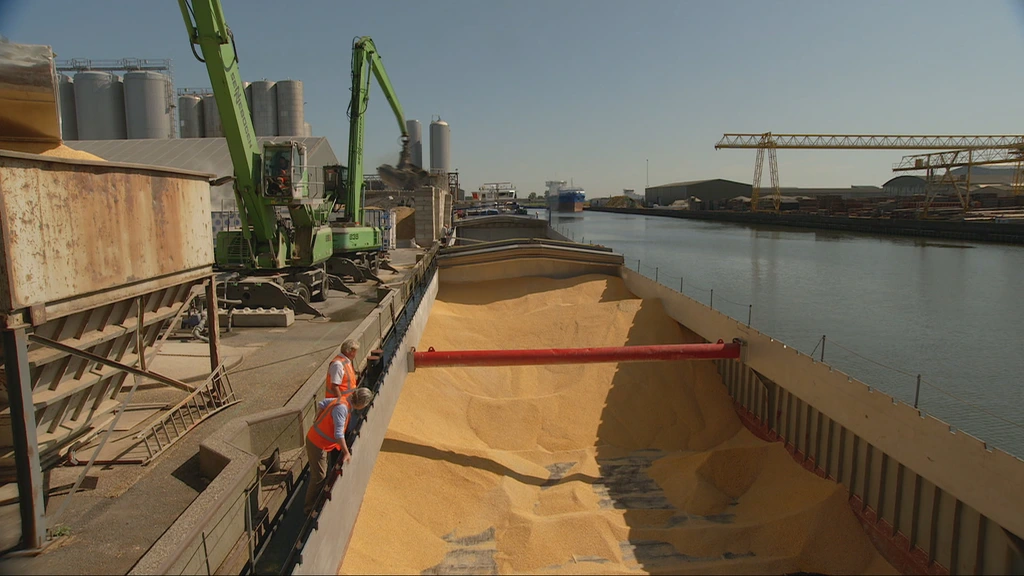
The Twentekanaal waterway in the Netherlands has been completely closed to shipping for five days due to extremely low water levels caused by persistent drought. This closure is severely impacting local businesses, forcing them to seek costly and time-consuming alternatives for transporting raw materials. The Royal Inland Shipping Netherlands (KBN) estimates the economic damage to be at least €125,000 per day, potentially rising to €500,000 daily for all affected companies in the region. Port of Twente director Frank van Zomeren highlighted the escalating financial consequences as the closure continues.
Businesses are exploring alternative routes, but even the Port of Deventer, initially considered an option, is also closing due to low water. Companies are now rerouting shipments to ports in Zwolle, Kampen, and Meppel, which are still receiving water from the IJsselmeer. From these alternative ports, goods are being transported to their final destinations by truck. This shift from water to road transport presents significant logistical challenges, requiring a substantial increase in truck usage. For instance, a single ship's cargo of 1200-1500 tons necessitates at least forty trucks, and for companies like Rouwmaat Groep, which uses the canal for sand and gravel, one hundred trucks are needed daily. This increased road transport also places additional strain on regional infrastructure not designed for such volumes.
While low water levels are common in summer, the complete closure of the Twentekanaal is considered "unique and extreme." The duration of the closure for both the Twentekanaal and the Port of Deventer remains uncertain. The Ministry of Infrastructure and Water Management is working to reopen navigation but requires sufficient water levels, with businesses hoping for significant rainfall to alleviate the situation. Some companies, like ForFarmers, anticipate that a return to normal operations might not occur until October.
The prolonged drought and subsequent closure of the Twentekanaal highlight the vulnerability of critical infrastructure reliant on natural water levels. This event underscores the systemic risks associated with climate change impacts on logistics and supply chains. Businesses face direct economic losses and operational disruptions, necessitating adaptive strategies that incur additional costs and environmental burdens, such as increased road transport. The situation prompts consideration of long-term resilience measures, including infrastructure investment for water management and diversification of transport networks to mitigate future shocks. Evaluating the trade-offs between maintaining traditional waterways and developing alternative, climate-resilient logistics will be crucial for regional economic stability in the coming decade.
AI-generated to prompt reflection — not editorial opinion, not advice, not a statement of fact. How this works.