Twisha Sharma Case: Court Battle Erupts Over Voice Samples
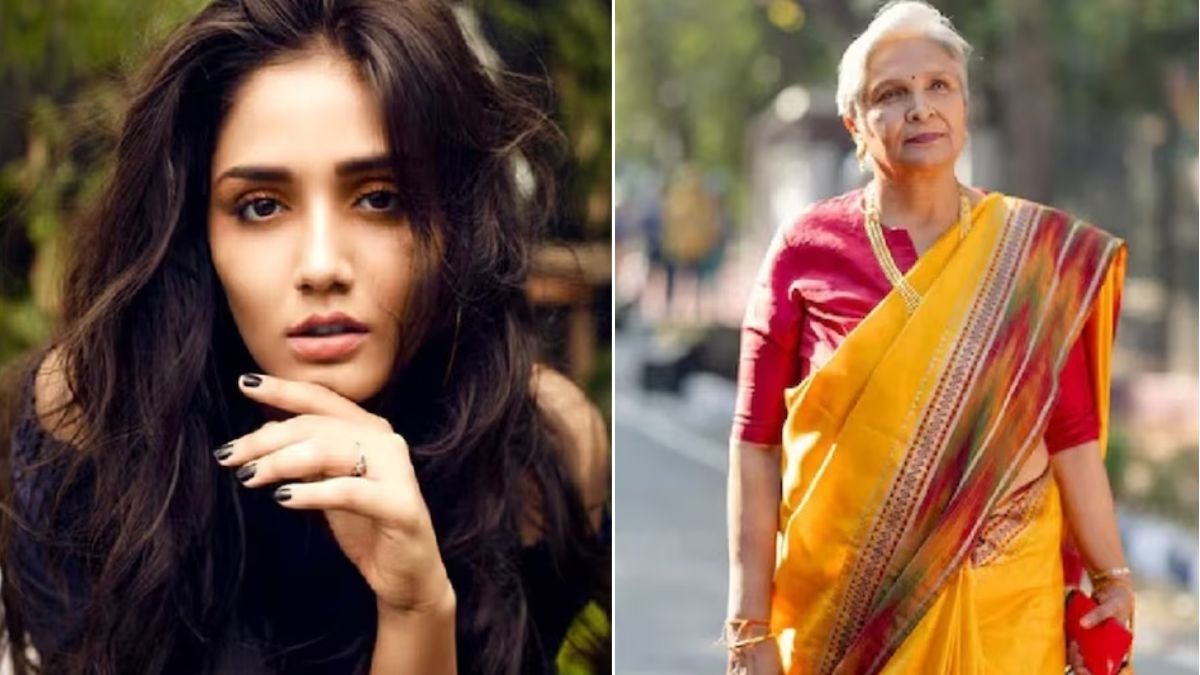
A new controversy has emerged in the Twisha Sharma death case concerning voice samples. The Central Bureau of Investigation (CBI) informed the trial court in Madhya Pradesh that Samarth refused to provide his voice sample. However, Giribala Singh's lawyer asserted that their client has already provided her voice sample on three separate occasions. Samarth's legal counsel countered that their client did not refuse but rather raised questions regarding the transcript. The CBI and the defense present conflicting accounts on this matter, highlighting a significant dispute over the evidence.
The dispute over voice samples in the Twisha Sharma case highlights the critical role of forensic evidence in legal proceedings and the potential for procedural challenges. Disagreements over sample provision and transcript accuracy can significantly impact the pace and outcome of investigations. Future legal frameworks may need to address such evidentiary hurdles more efficiently, perhaps through standardized protocols for sample collection and verification. This situation underscores the tension between investigative needs and individual rights, prompting consideration of how to balance thoroughness with due process in the digital age.
AI-generated to prompt reflection — not editorial opinion, not advice, not a statement of fact. How this works.