Two 13-year-old girls injured after being hit by a car on an electric bicycle in Brazil
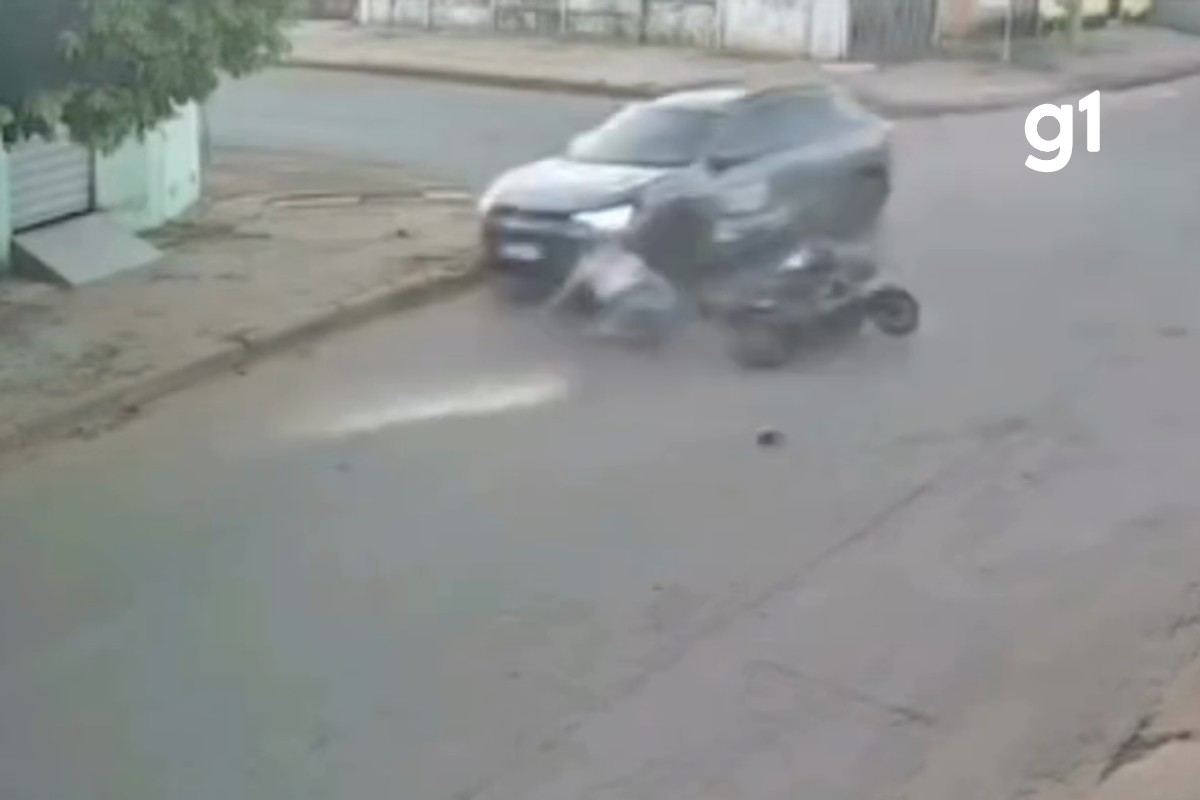
Two 13-year-old girls were injured when the electric bicycle they were riding was struck by a car in Cáceres, Mato Grosso, Brazil, on Monday afternoon, September 3rd. Security camera footage captured the moment the girls were hit as they crossed the street. Authorities have not yet determined who had the right of way at the intersection. Firefighters responded to the scene and provided pre-hospital care. One girl sustained abrasions on her upper limbs, pain in her cervical and lumbar regions, and intense pain in her left leg. The other complained of a headache. Both were transported to the Regional Hospital for medical attention. This incident is part of a recent surge in serious accidents involving electric bicycles in Mato Grosso, some of which have been fatal. In July alone, two individuals died in separate electric bicycle-related incidents. Despite the increasing popularity of these vehicles, state agencies like the Detran-MT and the Sesp-MT lack comprehensive data on the number of electric bicycles in circulation or accidents involving them, as many electric bicycles, when compliant with National Traffic Council (Contran) regulations, do not require registration or licensing. Contran rules define electric bicycles as human-powered vehicles with an auxiliary motor up to 1,000 watts, assisting only during pedaling, with a maximum speed of 32 km/h and no throttle. Mopeds, however, have different specifications and require registration, licensing, and a driver's license. Some municipalities in Mato Grosso are implementing their own regulations, with Tangará da Serra requiring an mandatory course for electric mobility device operators, while Cáceres has local ordinances for circulation and traffic rules but no mandatory course.
This incident highlights the growing challenges in regulating emerging personal electric mobility devices. The lack of centralized data collection on electric bicycle usage and accidents, coupled with the regulatory ambiguity between electric bicycles and mopeds, creates a significant public safety gap. As these vehicles become more prevalent, the potential for accidents increases, particularly for vulnerable road users like pedestrians and cyclists. Future policy should focus on clear, consistent national standards for classification, registration, and operator licensing, alongside robust data collection mechanisms. This will enable a more proactive approach to road safety, incentivizing responsible manufacturing and usage, and ultimately mitigating risks associated with the rapid integration of electric mobility into urban environments.
AI-generated to prompt reflection — not editorial opinion, not advice, not a statement of fact. How this works.
