Two Accidents in Northwest Fluminense Highlight Regional Traffic Concerns
A traffic collision between a car and a motorcycle was captured by security cameras in Itaperuna, in the Aeroporto neighborhood. The incident occurred as the car entered the road to cross a section of BR-356. The motorcyclist sustained moderate injuries and was rescued by the Fire Department, receiving care at the São José do Avaí Hospital in Itaperuna. The specific causes of this accident remain undisclosed.
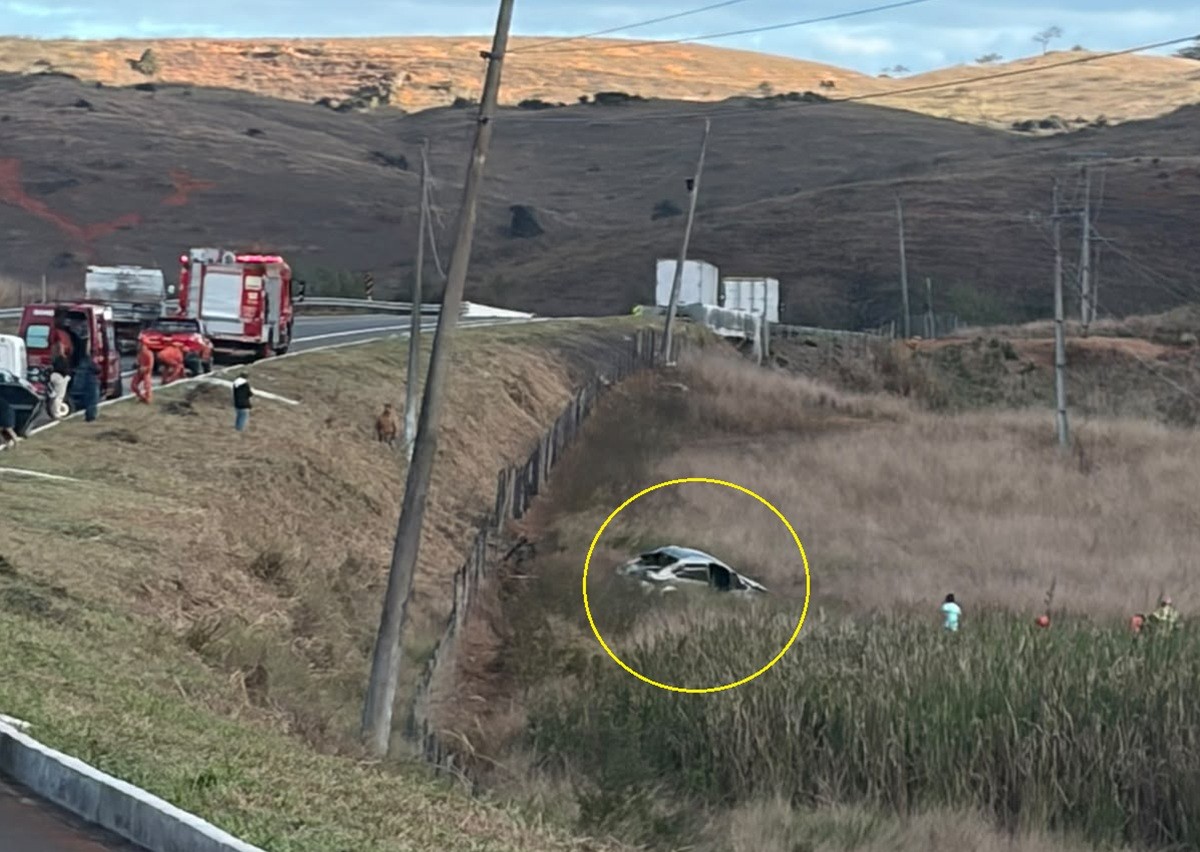
In a separate incident in Italva on Wednesday, May 15th, a 34-year-old driver was injured when his vehicle veered off BR-356 near Calcário, between Italva and Cardoso Moreira. Firefighters had to extricate him from the wreckage. He was initially taken to the Italva Emergency Room before being transferred to the São José do Avaí Hospital. His medical condition has not been released. Witnesses reported the car left the highway and ended up in a pasture. The driver resides in the Palmeiras neighborhood of Cardoso Moreira, and the cause of this crash is under investigation.
These events underscore a broader issue of traffic safety in the region. Data from the Fire Department for the first six months of the year reveals 839 traffic accidents across 14 municipalities served by the 21st Military Fire Brigade, averaging one accident every five hours. Itaperuna accounted for nearly 40% of these incidents, with 339 recorded during that period.
These incidents in Itaperuna and Italva highlight the persistent challenge of traffic safety in Brazil's Northwest Fluminense region, as evidenced by the high accident rate. The data indicates a systemic issue, with an average of one accident every five hours across 14 municipalities, and Itaperuna bearing a disproportionate burden. Factors contributing to these statistics likely include infrastructure, driver behavior, and enforcement levels. Addressing this requires a multi-faceted approach, potentially involving enhanced road safety education, infrastructure improvements, and stricter traffic law enforcement. Looking ahead, the integration of advanced driver-assistance systems and smart traffic management technologies could offer long-term solutions to mitigate risks and reduce the frequency and severity of such accidents in the digital age.
AI-generated to prompt reflection — not editorial opinion, not advice, not a statement of fact. How this works.