Two Arrested in Brazil with 375kg of Cyanide Destined for Illegal Gold Mining
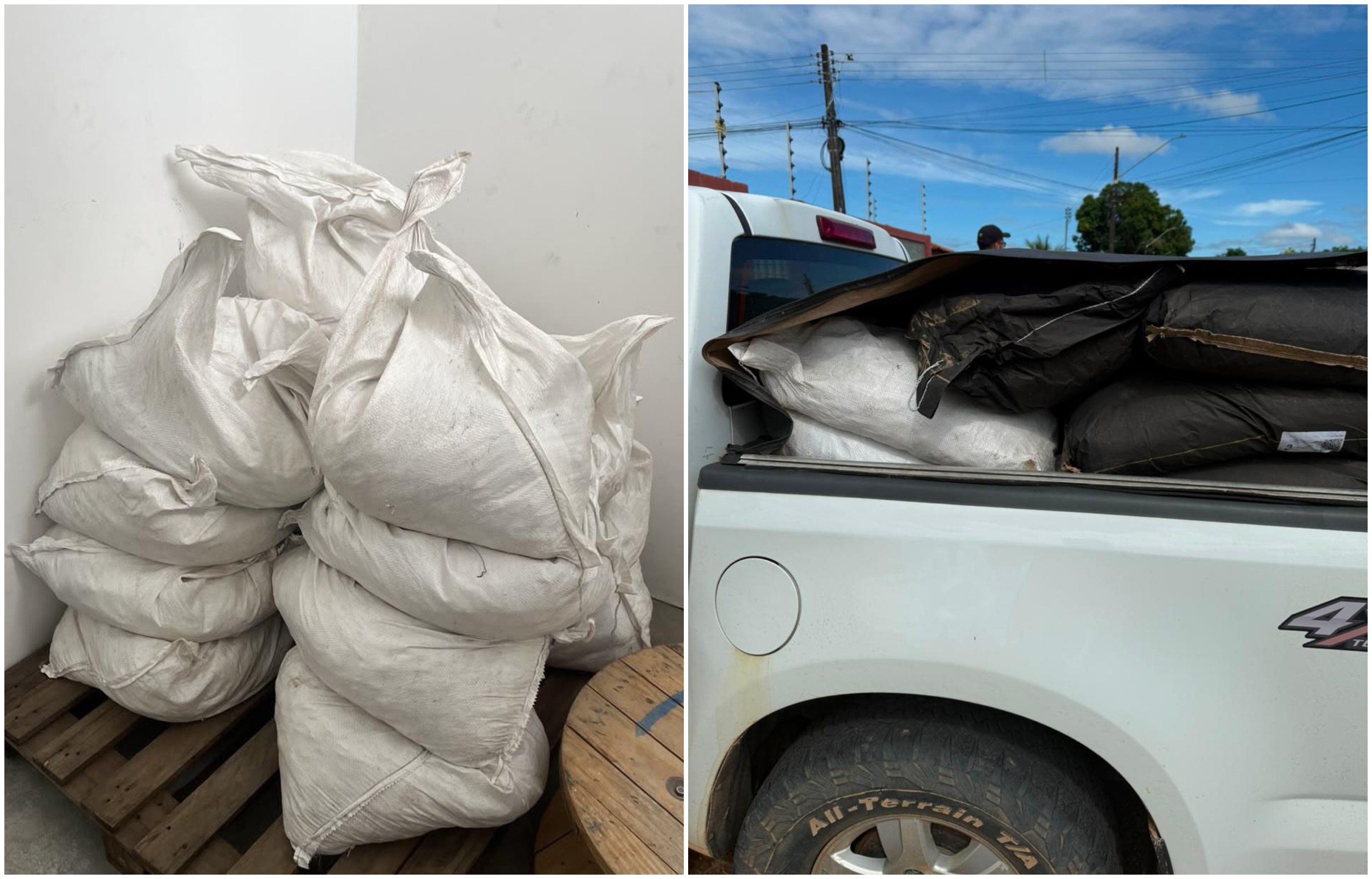
Federal Police in Boa Vista, Roraima, Brazil, have arrested two men in possession of 375 kilograms of cyanide and 1,250 kilograms of activated charcoal. These chemicals are crucial for gold extraction and were reportedly intended for illegal mining operations within the Raposa Serra do Sol Indigenous Territory. The illicit cargo was discovered already unloaded at a residence in the state capital. The arrests were made in flagrante delicto following the Federal Police's identification of the irregular transport of these hazardous compounds. Cyanide, similar to mercury, is used to separate gold from other minerals and poses significant environmental and health risks, including acute and chronic poisoning, and long-term ecosystem contamination of water, soil, and fauna. The seized material was believed to be supplying the logistical network for illegal mining activities across Roraima. The arrested individuals and the confiscated substances are now under judicial authority. The use of cyanide is an ongoing concern in Raposa Serra do Sol; in June 2025, the Federal Public Ministry highlighted "cyanide pools" threatening indigenous communities, discovered during Operation Fox Uno. The disposal of this material at the time was impossible due to extreme danger, lack of protective equipment, and specialized personnel. Raposa Serra do Sol, a border region with Guyana, is home to over 26,000 indigenous people from the Macuxi, Taurepang, Patamona, Ingaricó, and Wapichana groups.
The seizure of a substantial quantity of cyanide intended for illegal gold mining highlights the persistent challenges in regulating resource extraction within protected indigenous territories. This event underscores the complex interplay between economic incentives driving illicit activities and the imperative to safeguard both environmental integrity and indigenous rights. The logistical network supporting such operations suggests a broader, organized effort that requires more than just localized enforcement. Future strategies may need to focus on disrupting supply chains, enhancing cross-border cooperation, and developing sustainable economic alternatives for local populations to mitigate the environmental and social externalities associated with unregulated mining. The long-term ecological consequences of cyanide contamination necessitate proactive remediation and robust monitoring systems to prevent irreversible damage to sensitive ecosystems and indigenous livelihoods.
AI-generated to prompt reflection — not editorial opinion, not advice, not a statement of fact. How this works.