Two Arrested in Campo Grande for Murder of Homeless Man
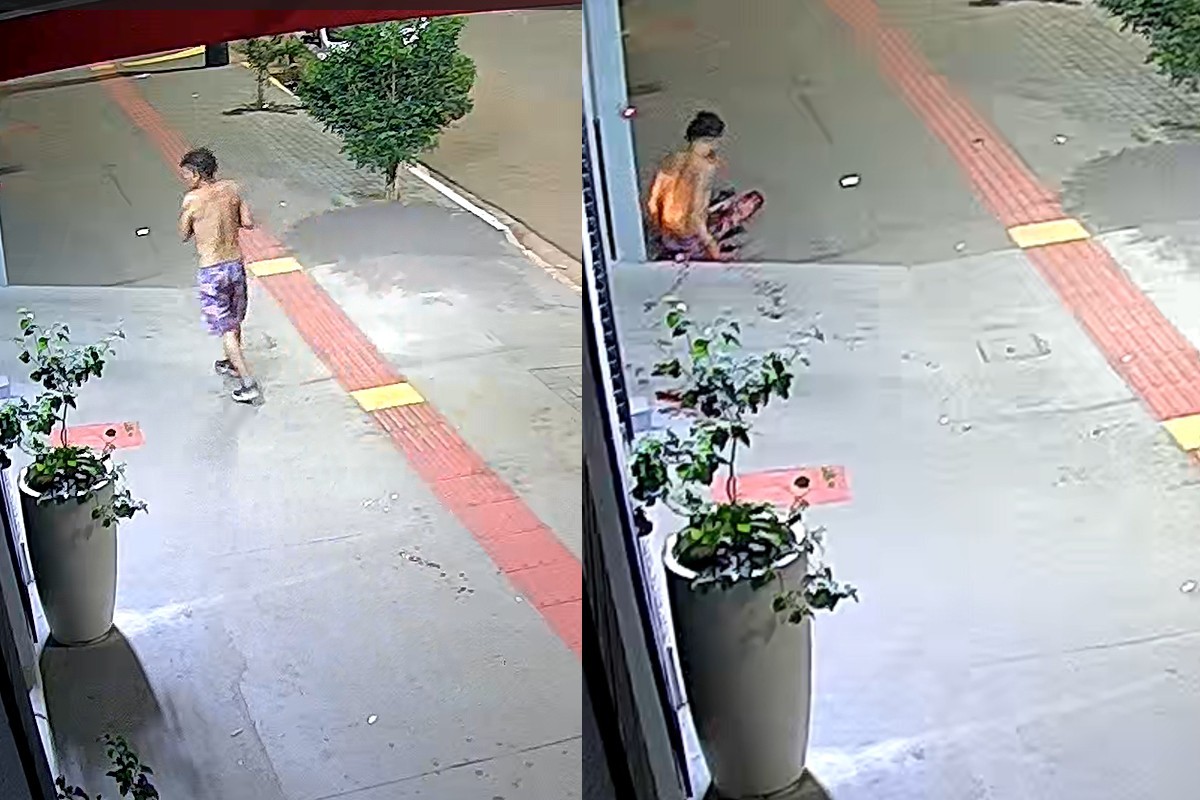
Police in Campo Grande, Brazil, have arrested two suspects in connection with the fatal stabbing of José dos Santos Cunha, known as "Maranhão," a homeless man who frequented the old bus station area. The crime occurred on Friday night, November 10th, in the Amambai neighborhood. Two other individuals have been identified and remain at large. The arrested men are Pedro Henrique Amaral da Silva, alias "Pedrinho," and Weverton Ocampos de Oliveira, alias "Jabuti." The fugitives are Jonatan Augusto Pereira, alias "Japa," and Jackson Soriano da Silva.
Authorities believe the motive may be related to a debt collection stemming from drug trafficking or the sale of stolen goods. Pedro Henrique, found near the crime scene, stated he witnessed the event and alleged that Jonatan handed a knife to Weverton, who then stabbed the victim. Weverton was apprehended later, wearing clothing matching security footage, and denied involvement, though he admitted to prior disputes with Cunha and accused Jonatan of the stabbing. Both arrested individuals are in police custody.
Security camera footage captured the victim's final moments, showing him struggling and seeking help after being stabbed before collapsing. A passerby alerted a resident, and another individual attempted to provide aid. Emergency services were called, but Cunha succumbed to his injuries at the scene. Searches for the remaining suspects are ongoing, with Jonatan having evaded capture earlier on Saturday, November 11th.
This incident highlights the persistent challenges of urban violence and the dynamics of street crime, often intertwined with illicit economies. The swift arrests, aided by security footage and witness accounts, demonstrate effective law enforcement response. However, the alleged motives point to systemic issues surrounding drug trafficking and property crime, which require broader social and economic interventions beyond policing. The case also underscores the vulnerability of individuals experiencing homelessness, who are often disproportionately affected by violence. Future efforts could focus on integrated strategies addressing addiction, poverty, and public safety to mitigate such tragedies and foster more secure urban environments.
AI-generated to prompt reflection — not editorial opinion, not advice, not a statement of fact. How this works.