Two Arrested in Ceará for Involvement in Massive Marijuana Plantation Operation
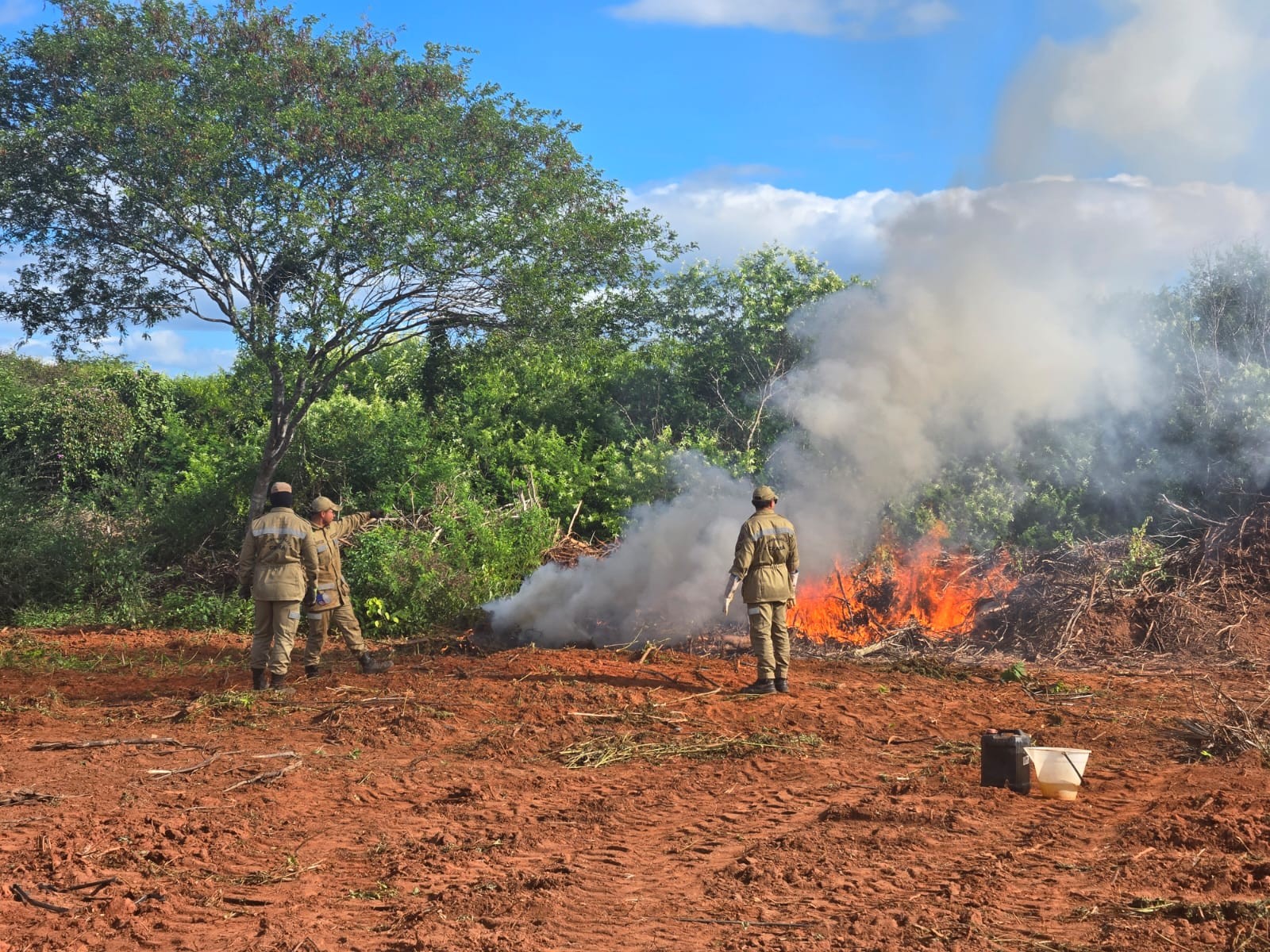
Authorities in Ceará, Brazil, have arrested two men, aged 21 and 47, in connection with a large-scale marijuana plantation discovered in Acopiara. The suspects were apprehended in Orós, approximately 96 km away, and face charges of drug trafficking and association for trafficking. The arrests follow the seizure of an estimated five tons of marijuana from the plantation, which comprised around 290,000 plants. This operation is considered one of the largest drug seizures in the state's history.
The case gained significant attention after federal deputy André Fernandes alleged that the site had been abandoned by police with the drugs still present. This led to an investigation and the subsequent exoneration of two Civil Police delegates, Vicente de Paula Rodrigues and Marcos Sandro Nazaré de Lira, who were in charge of the Acopiara and Southern Interior Seccional police units, respectively. The exoneration is a procedural step pending administrative disciplinary proceedings.
Civil Police stated that the destruction and incineration of the seized marijuana, a process involving controlled burning in trenches, has been completed. They clarified that any remaining material found by Deputy Fernandes was residue from the incineration or other vegetation, not unburned marijuana. The operation was conducted with oversight from various state agencies, including the Forensic Police, Military Police, and the Public Prosecutor's Office, adhering to Brazilian law that mandates the destruction of seized drugs within 30 days when no arrests are made at the scene.
The discovery and subsequent handling of this large marijuana plantation highlight critical issues in law enforcement logistics and public accountability. The alleged abandonment of the site and the controversy surrounding the drug destruction process underscore the need for robust oversight mechanisms to ensure transparency and prevent potential corruption or mishandling of evidence. The swift exoneration of delegates, while framed as a procedural necessity, raises questions about the balance between immediate accountability and due process, particularly when public scrutiny is intense. Future investigations should focus on strengthening protocols for evidence management and destruction, ensuring clear chains of command, and fostering public trust through demonstrable adherence to legal and ethical standards. The incident also points to the ongoing challenges of drug interdiction and the complex interplay between law enforcement, political figures, and public perception in shaping the narrative around such events.
AI-generated to prompt reflection — not editorial opinion, not advice, not a statement of fact. How this works.