Two Brazilian Cities Vie for District Affecting 5,000 Residents and Millions in Funds
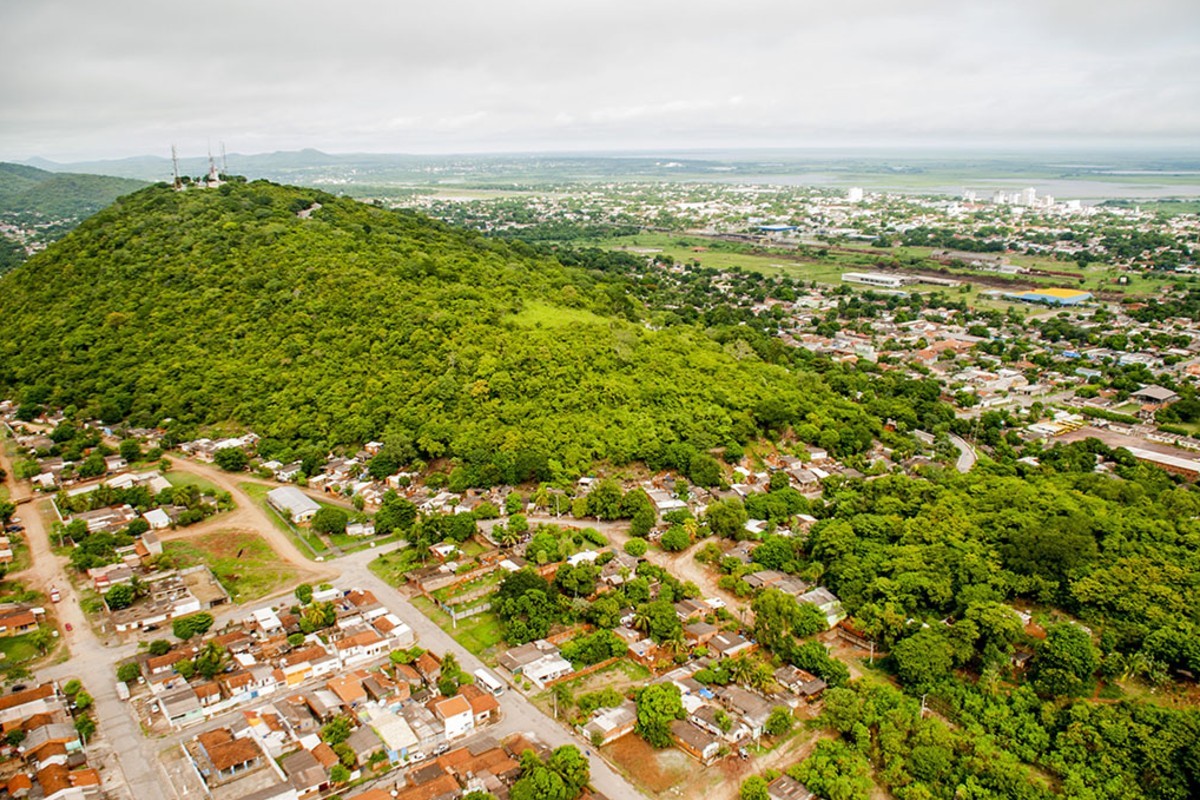
Corumbá and Ladário, two municipalities in Mato Grosso do Sul, Brazil, have 20 days to resolve a territorial dispute over the Conjunto Padre Ernesto Sacida neighborhood. This district, home to approximately 5,000 residents, is currently contested in court, with both cities claiming responsibility for public services. The conflict arose after the 2022 Demographic Census by the IBGE revealed the housing complex was split between the two cities, altering their population counts. Corumbá's population has fallen below 100,000 residents following this reclassification, a threshold that impacts public resource allocations. The city formally contested the division in court in 2023, citing a survey by Agraer, the state agency responsible for inter-municipal boundaries. Corumbá's legal representative expressed disagreement with the proposed cartographic boundaries but hopes for a consensual solution, emphasizing the impact on people, businesses, and tax revenue. Ladário's legal team, however, advocates for maintaining the boundaries defined by Agraer's study. Residents of the neighborhood currently utilize public services, including utilities and healthcare, from Corumbá. A resolution is expected by early August, with any agreement requiring approval from the Mato Grosso do Sul State Legislative Assembly. The mayors of both cities, Gabriel of Corumbá and Munir of Ladário, are expected to reach a consensus within the judicial deadline.
This territorial dispute highlights the critical link between administrative boundaries, census data, and the equitable distribution of public resources. The reclassification of the Conjunto Padre Ernesto Sacida neighborhood has triggered significant financial implications for Corumbá, potentially affecting its access to state and federal funds due to falling below a key population benchmark. The situation underscores the need for robust, transparent, and consistently applied methodologies in demographic mapping to prevent such disputes and ensure public services align with population realities. Future demographic exercises should consider the potential for administrative and fiscal consequences, fostering proactive dialogue between municipalities and statistical agencies to mitigate such conflicts and ensure stable governance and service provision for affected communities.
AI-generated to prompt reflection — not editorial opinion, not advice, not a statement of fact. How this works.